Temples & StupasFree
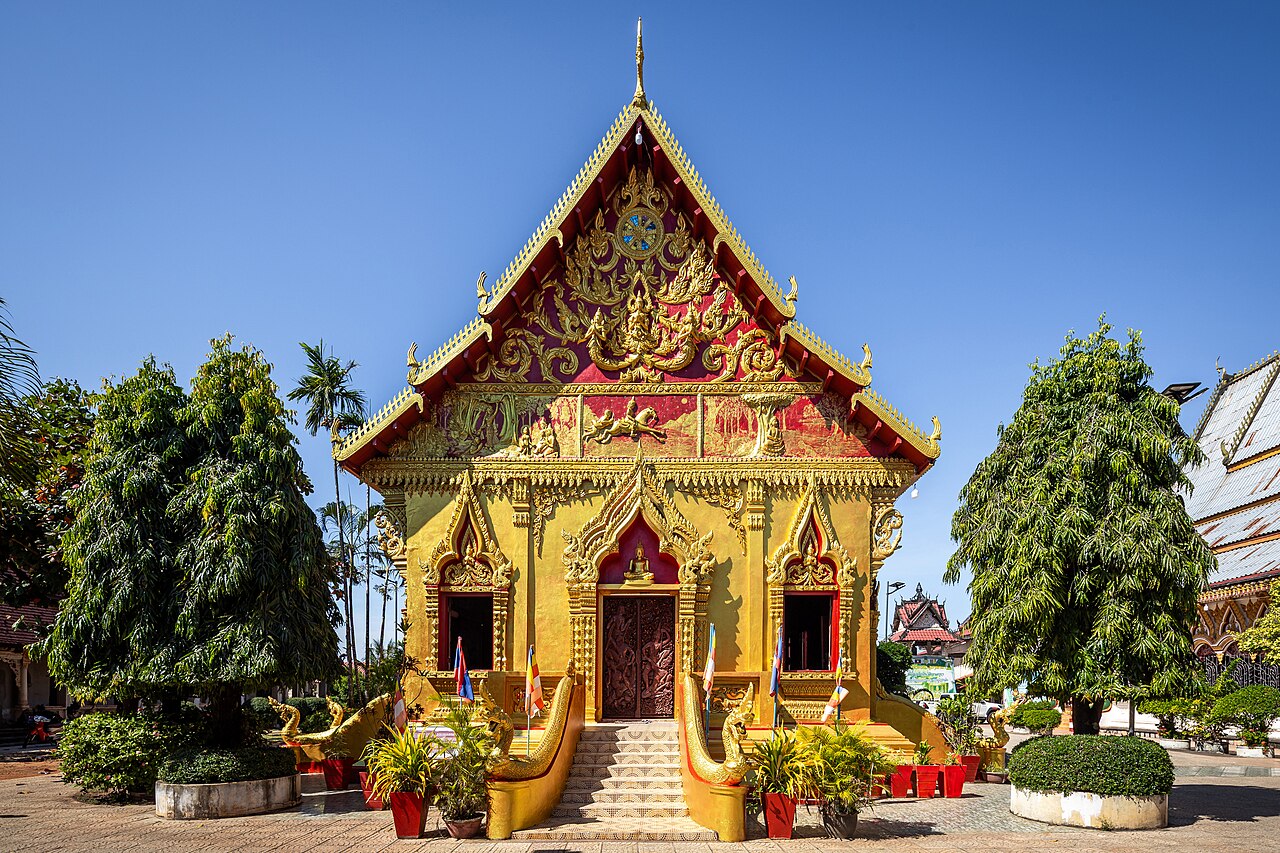
ວັດຫຼວງ ປາກເຊ
Pakse’s principal temple on the bank of the Sedone River, built in 1935 in traditional Lao style and home to a monastic school for novices.
Pakse · Pakse City4.3 (10)
See & do
ສະຖານທີ່ທ່ອງທ່ຽວ
Temples, waterfalls, caves and UNESCO heritage — with opening hours, fees and fair-price directions.
18 results
Pakse’s principal temple on the bank of the Sedone River, built in 1935 in traditional Lao style and home to a monastic school for novices.
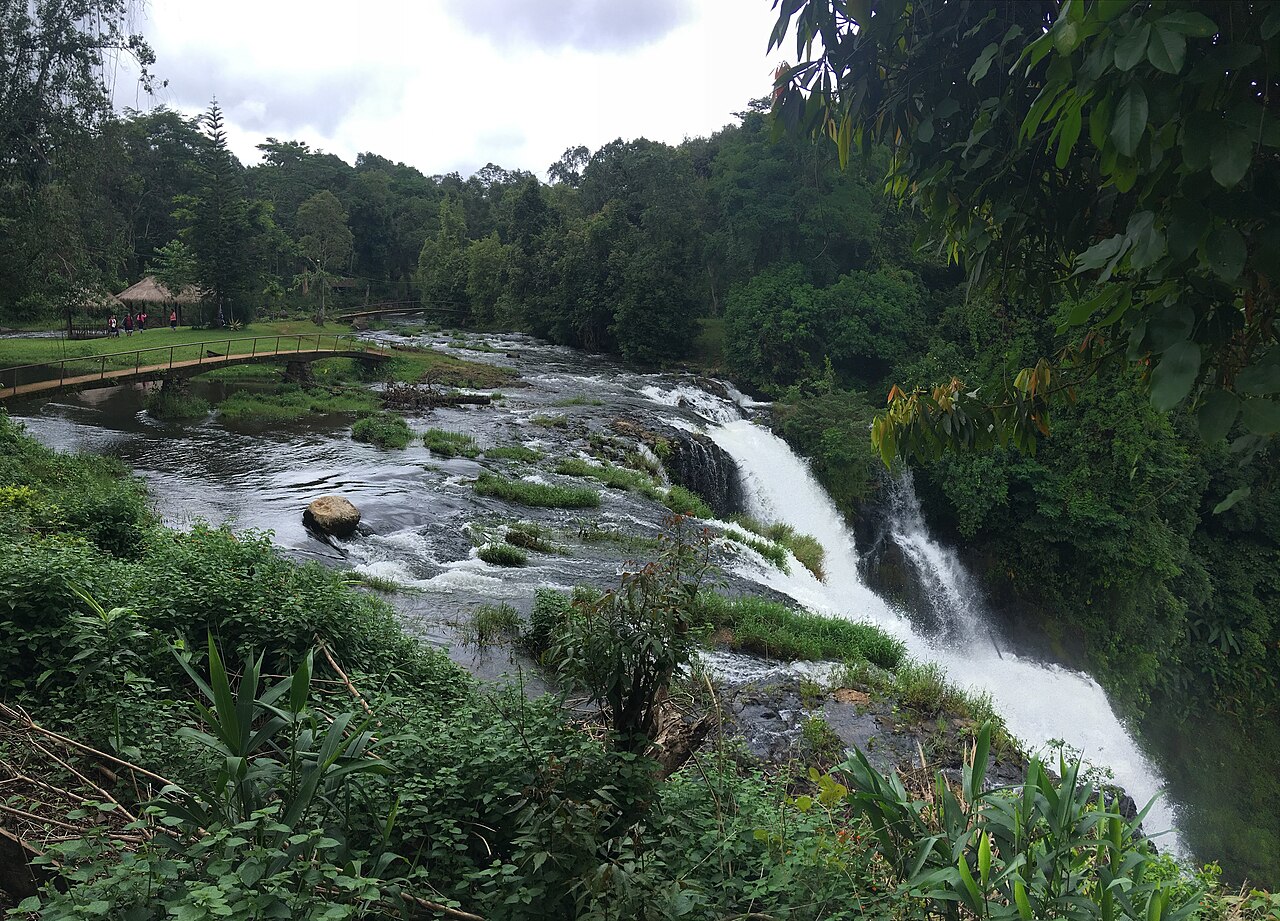
A 40-metre curtain of clear water falling into a swimmable pool, with a viewing bridge in front and local coffee stalls at the gate — near Km 40 on the Pakse–Paksong road.
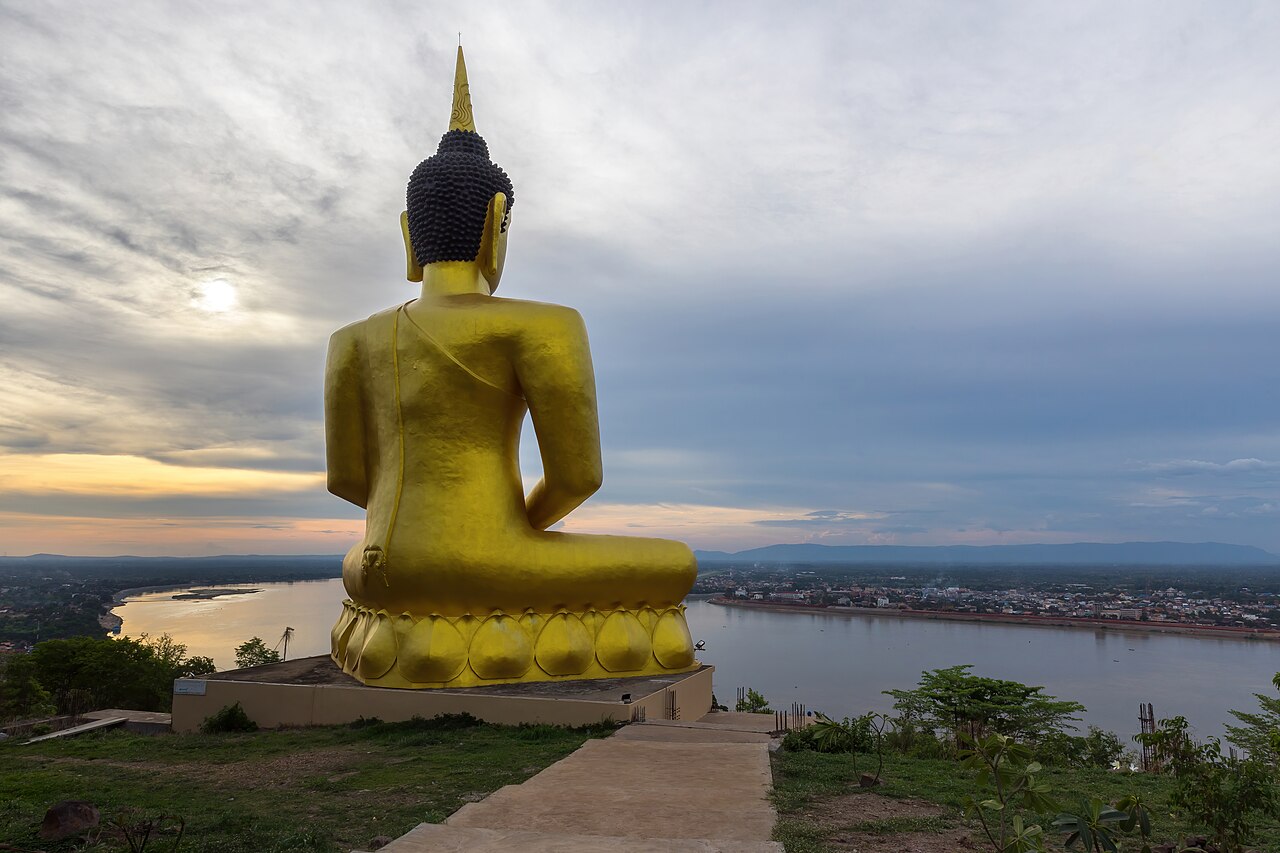
A hilltop temple on the west bank of the Mekong, crowned by a giant golden Buddha facing the river — the best viewpoint over Pakse and the Lao–Japanese Friendship Bridge, especially at sunset.
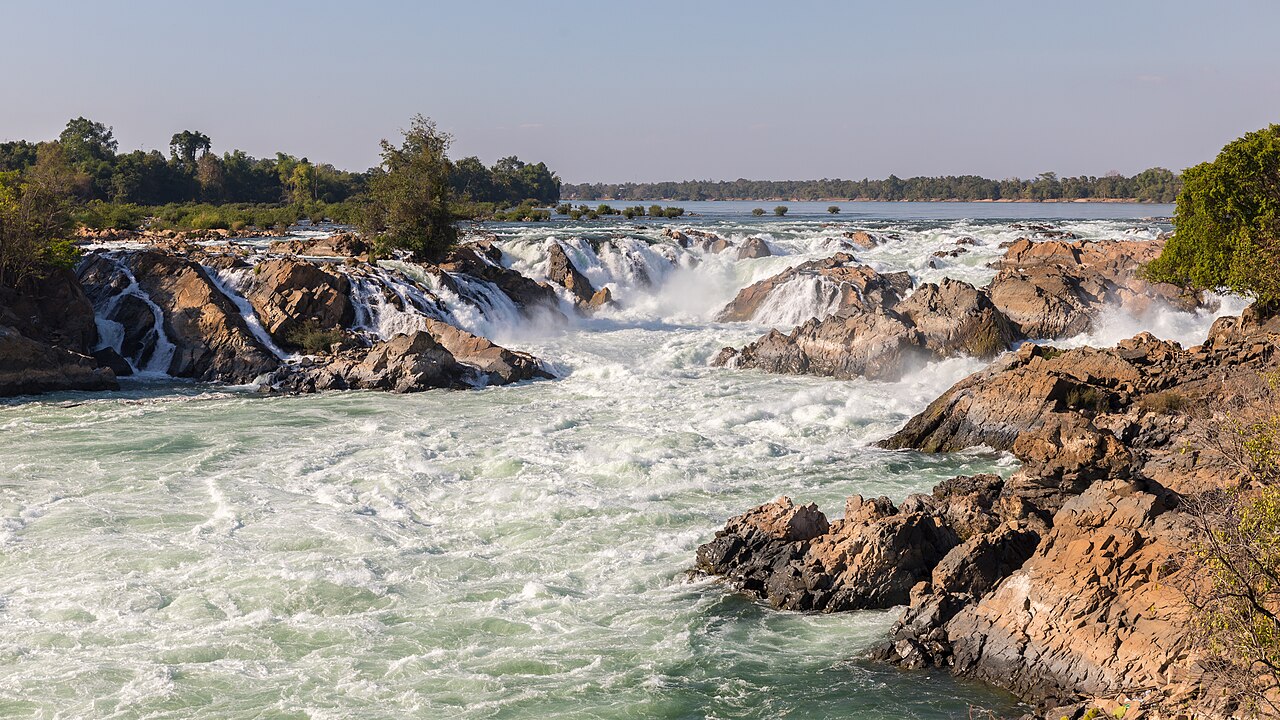
The largest waterfall in Southeast Asia by volume — the grand southern Mekong thundering through a maze of rocks near the Cambodian border, seen from a series of viewing platforms.
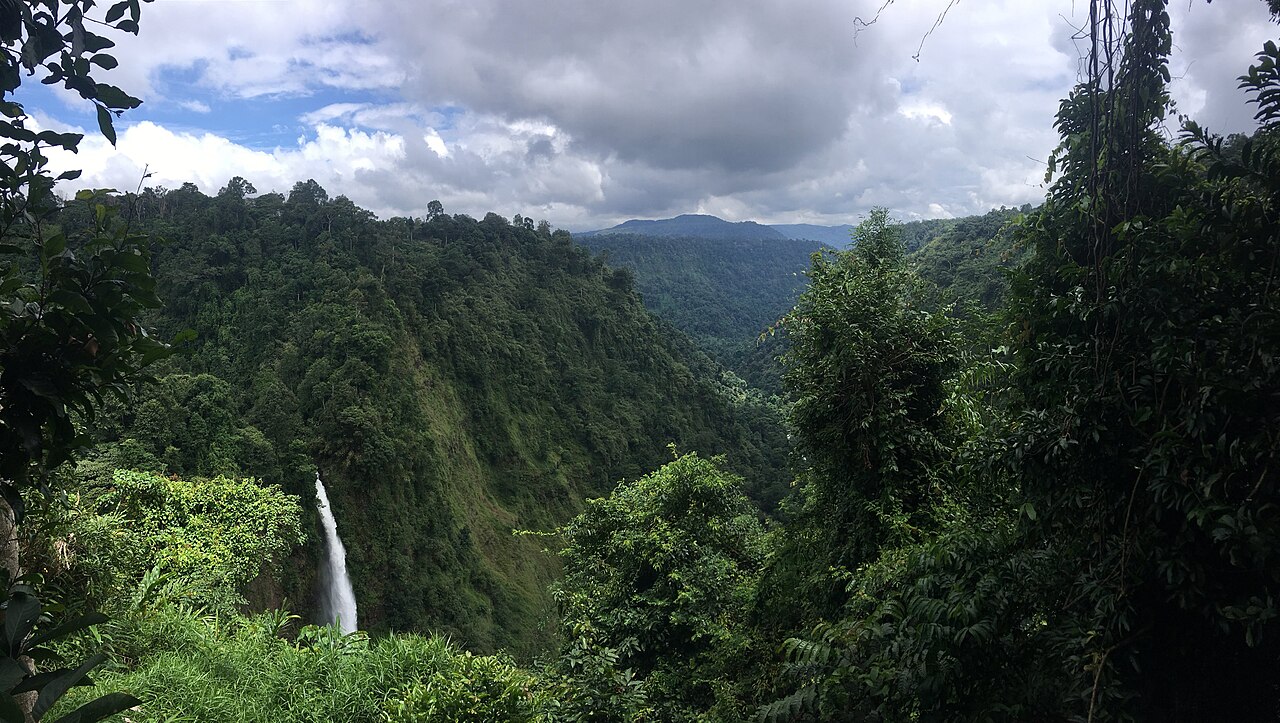
Twin streams plunging more than 120 m into a jungle gorge — the tallest falls in southern Laos — seen from the resort-side viewpoint or from a zipline across the gorge, about 38 km from Pakse.
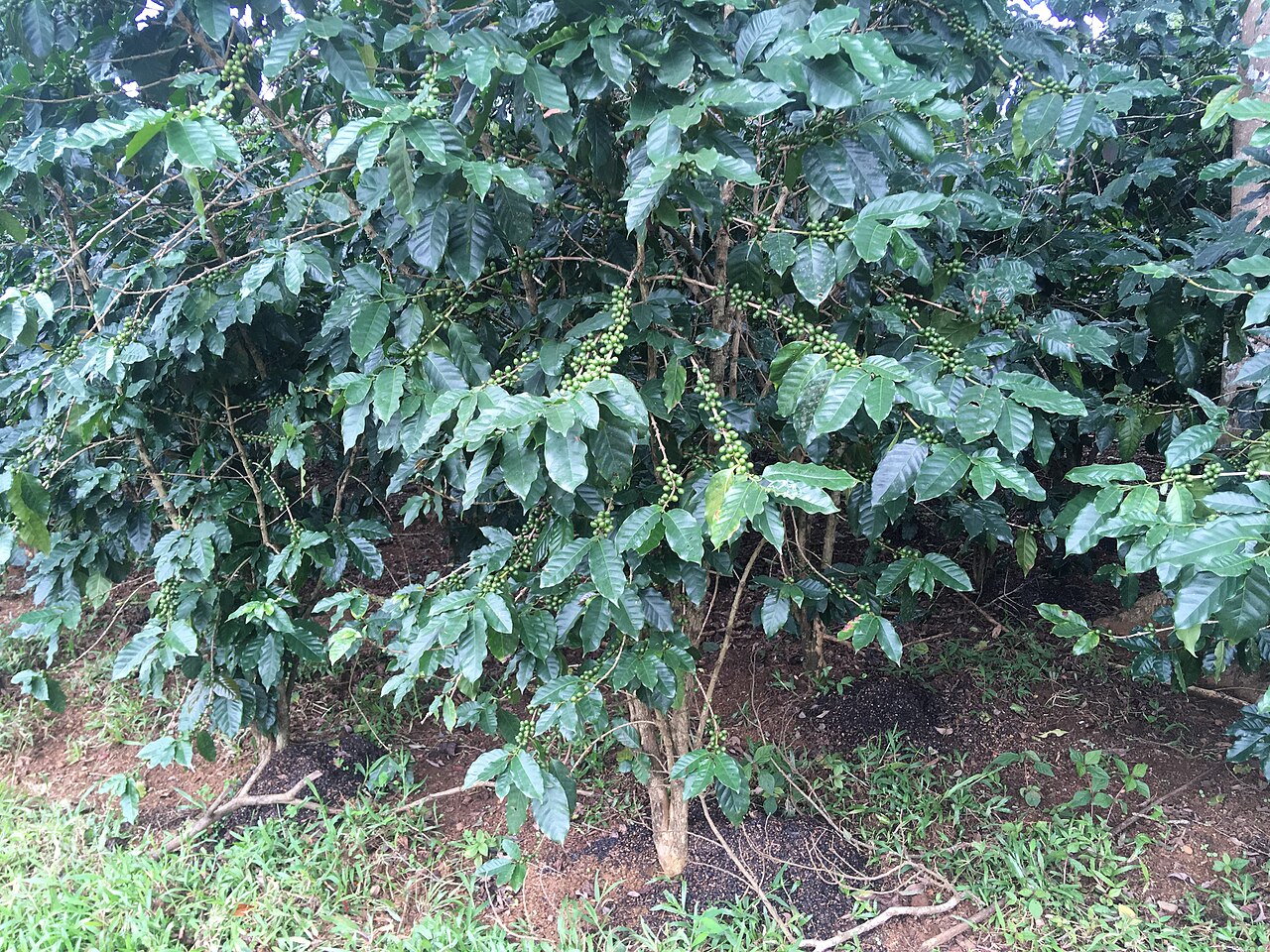
A cool volcanic plateau 1,000–1,300 m high — home of Laos’ best coffee, dozens of waterfalls, cafés in nature and ethnic-minority villages.
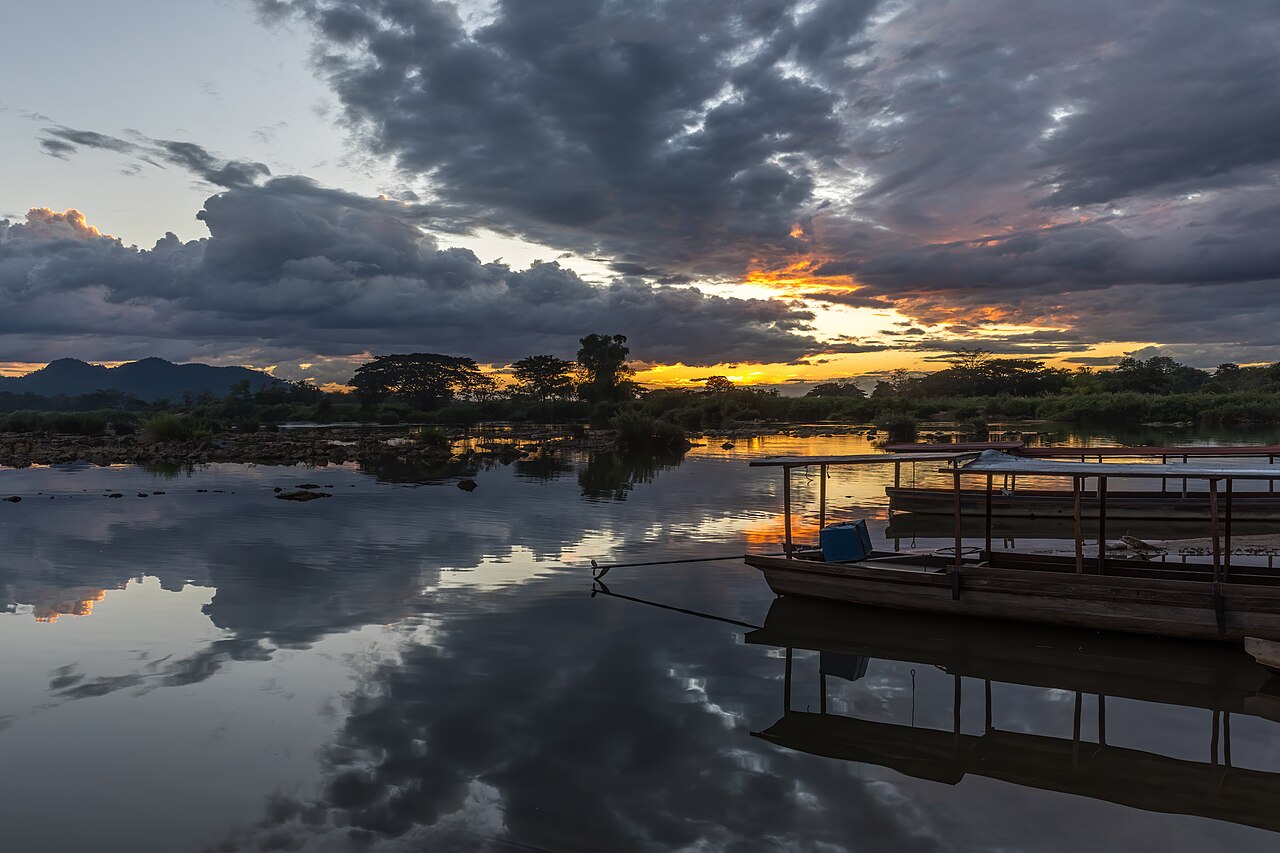
A scatter of islands where the Mekong is at its widest. Don Det is the laid-back favourite for hammocks, bike rides through rice fields and Mekong sunsets — 15 minutes by boat from Nakasang.
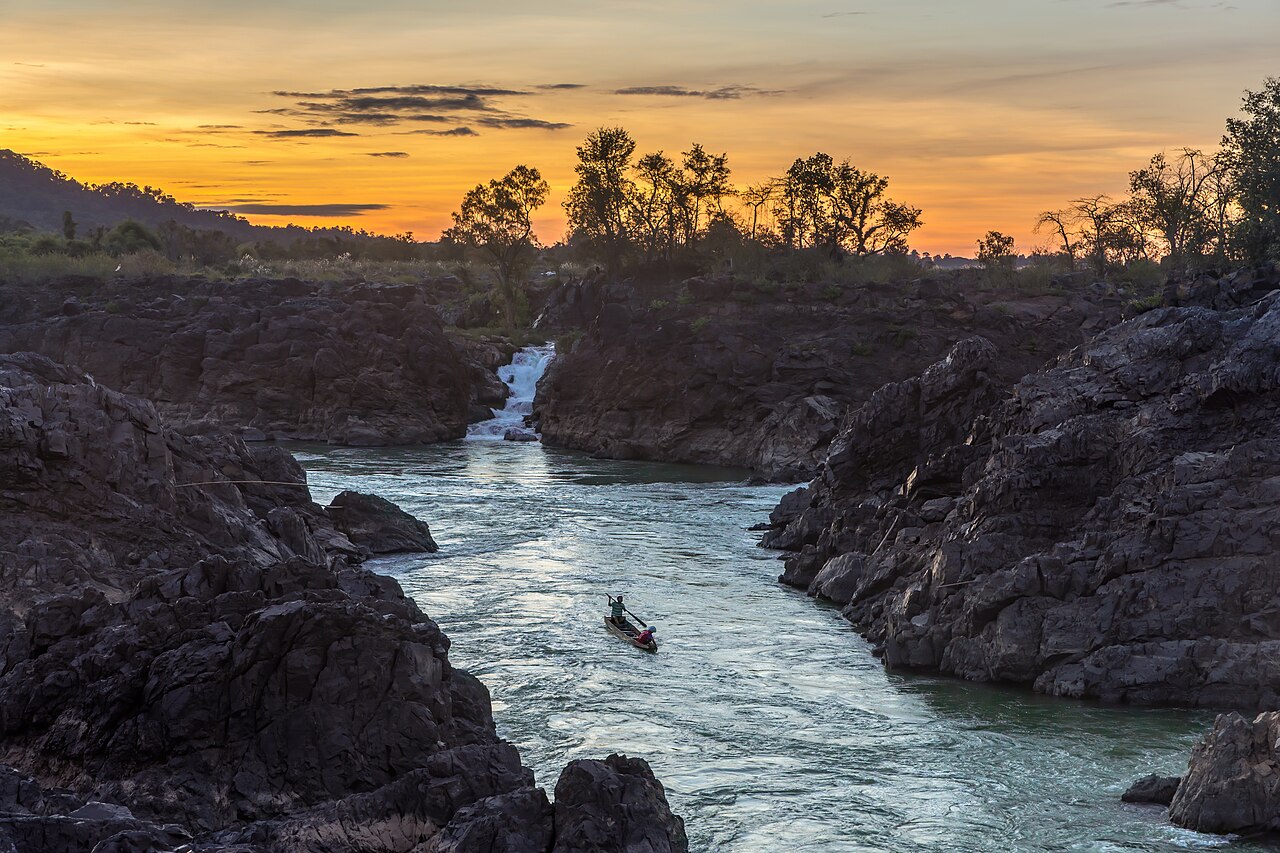
Wide, raging Mekong cascades on Don Khon whose name, “Li Phi”, comes from the belief that the rapids trap spirits; walkways and viewpoints line the falls — no swimming.
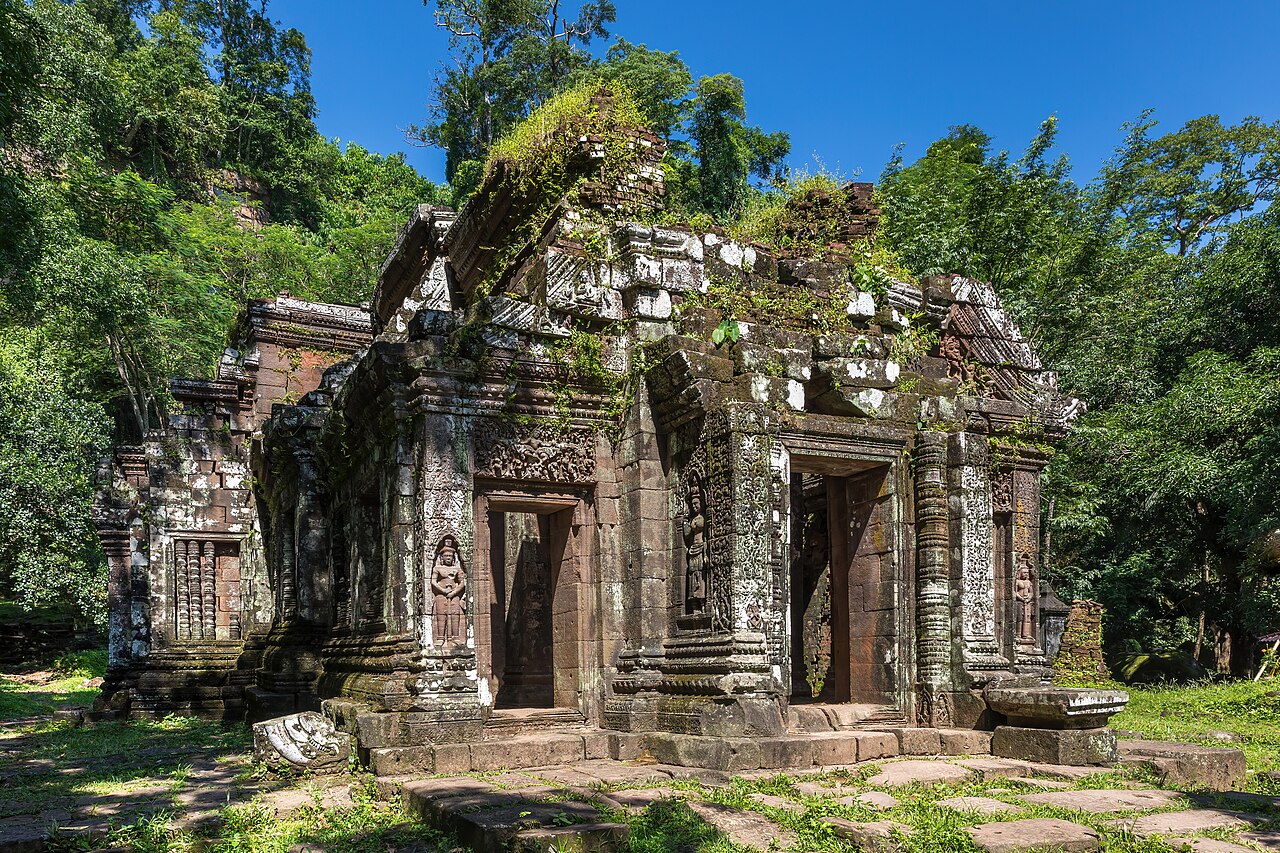
A temple complex more than 1,000 years old at the foot of Phou Kao, with pre-Angkorian origins and UNESCO World Heritage status (2001); an ancient stone stairway climbs to a hillside sanctuary above the Mekong plain.
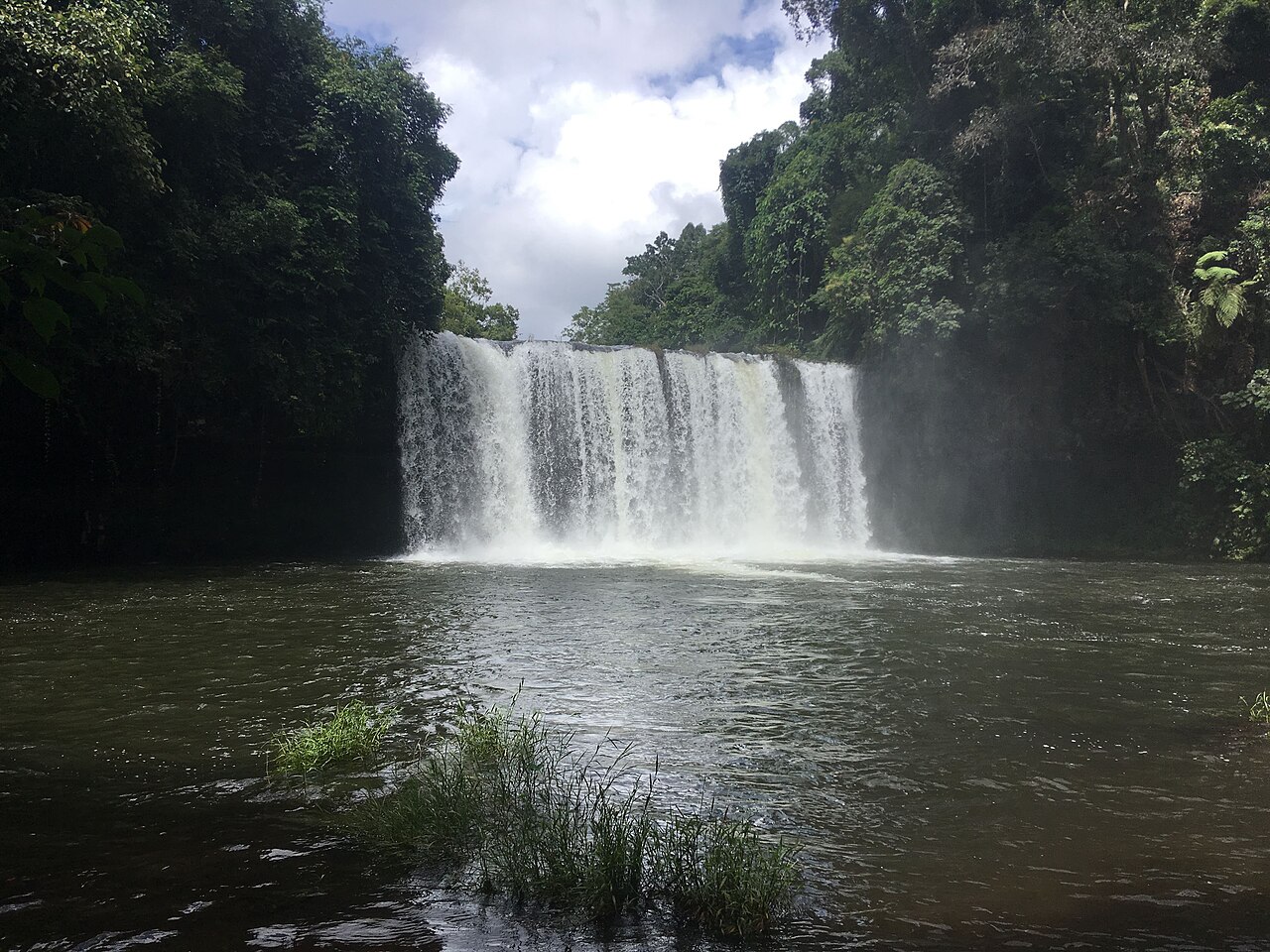
A secluded jungle waterfall dropping into a wide pool — in the dry season you can swim right behind the curtain of water. Far quieter than Tad Fane or Tad Yeung.
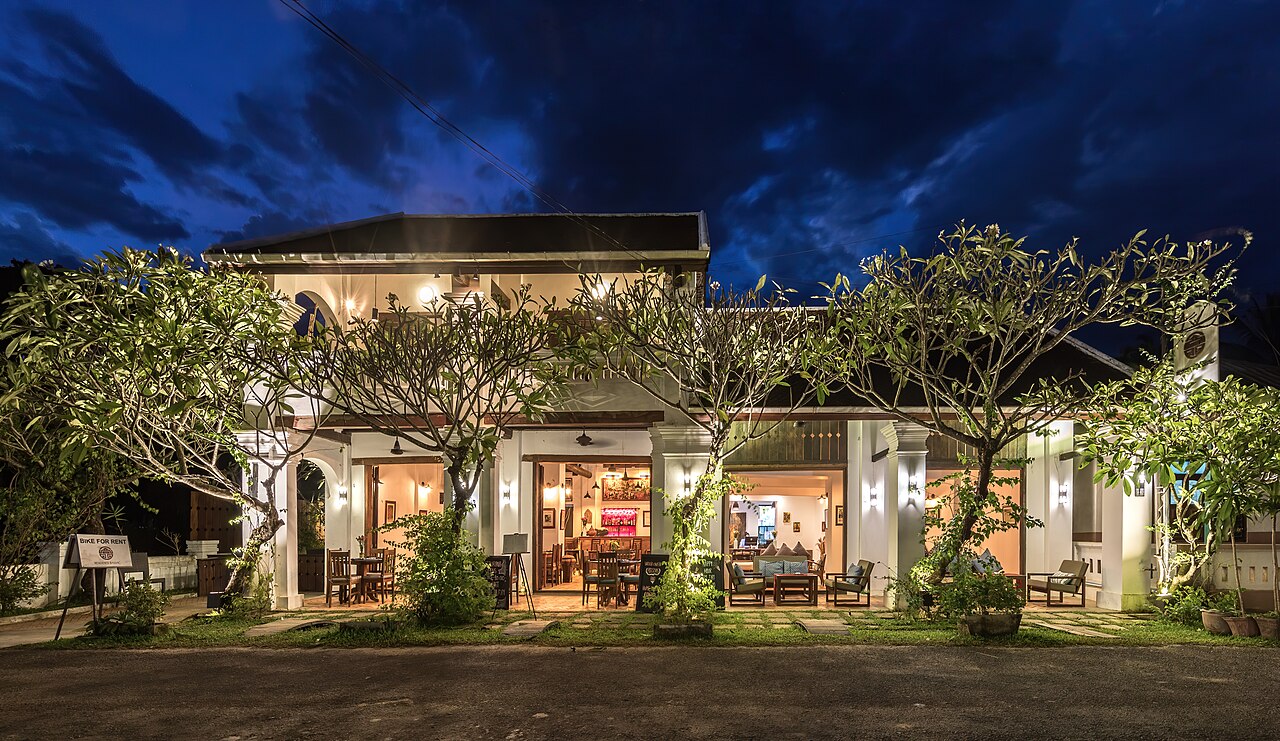
The former royal seat of Champasak — a sleepy one-street town on the Mekong lined with French colonial villas, perfect for bicycles and the natural base for Wat Phou.
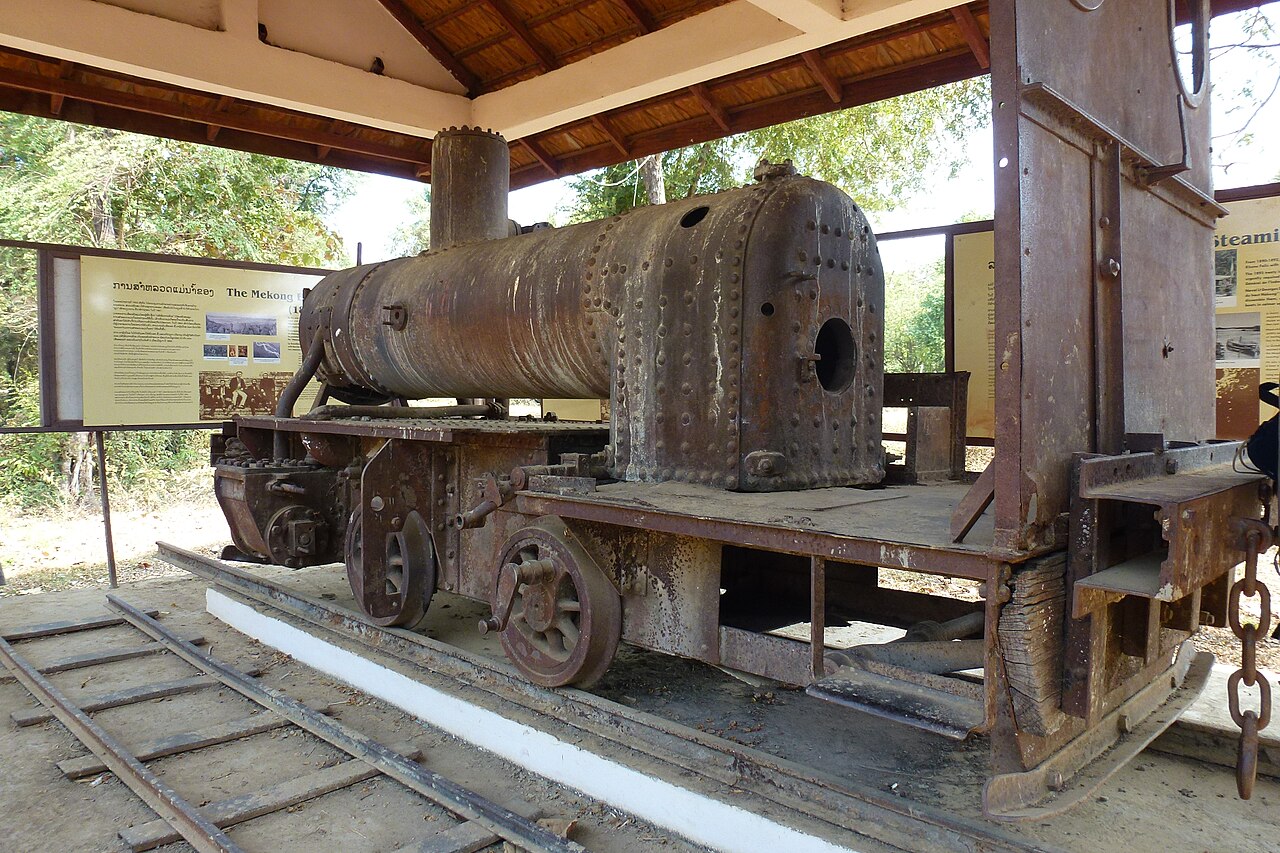
Remains of Laos’ first railway — a narrow-gauge portage line built by the French from the 1890s to carry boats and cargo around the Khone falls — with a rusting locomotive and the railway bridge linking Don Det and Don Khon.