Hotels$$
ໂຮງແຮມ ສວນ ໃກ້ສະໜາມບິນ (ຕົວຢ່າງ)
A quiet garden hotel less than 1 km from Pakse Airport — ideal for early flights or late arrivals.
From₭ 400,000–750,000≈ $19–$35per night
Pakse · Pakse City30 min
Things to do in Pakse
ສະຖານທີ່ທ່ອງທ່ຽວ
Temples, waterfalls and markets, plus hotels, cafés and services — every place shows how to get there and what a fair ride costs.
88 results
A quiet garden hotel less than 1 km from Pakse Airport — ideal for early flights or late arrivals.
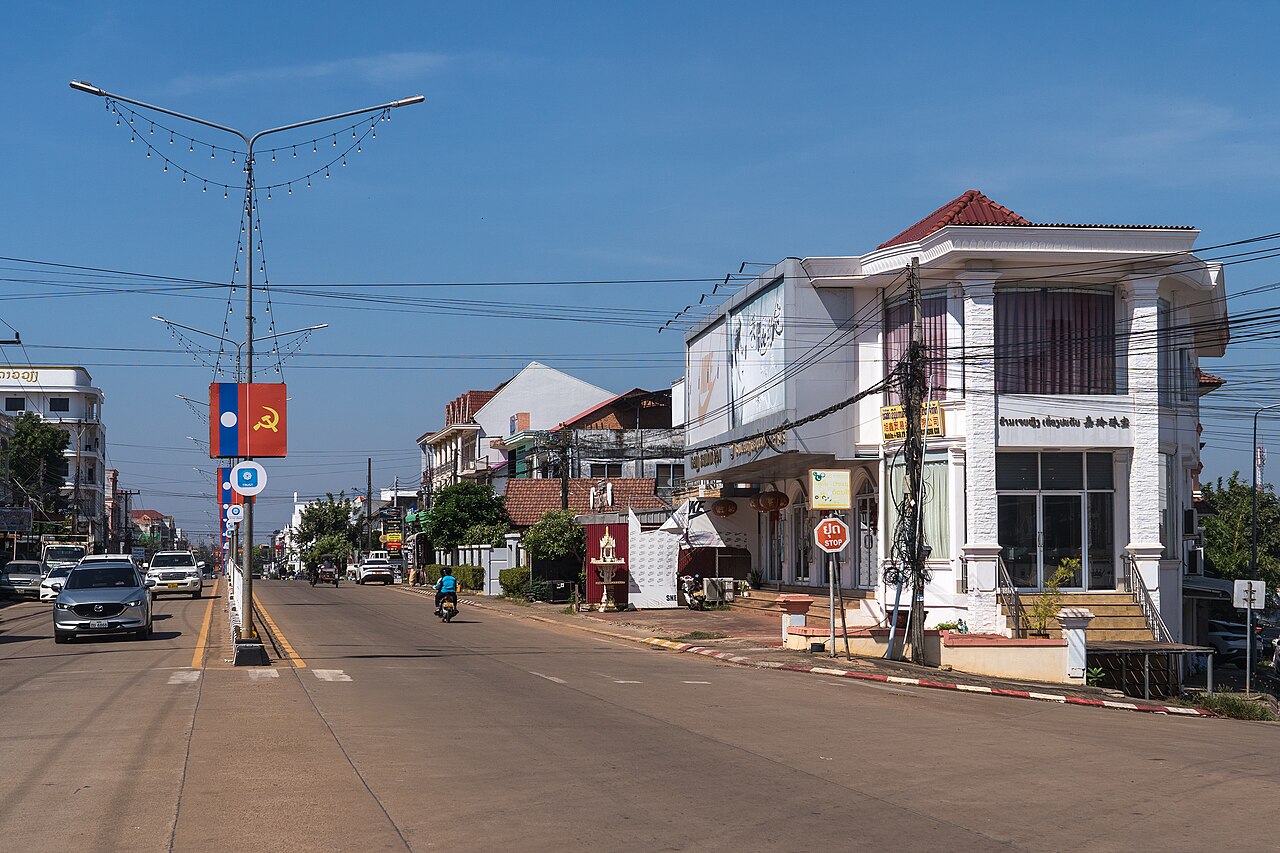
A mid-range hotel in Paksong town with spacious heated rooms, breakfast and a waterfall tour desk.
Stay with a village family on the edge of the Xe Pian wetlands — wake to birdsong and walk with local mahouts and their elephants.
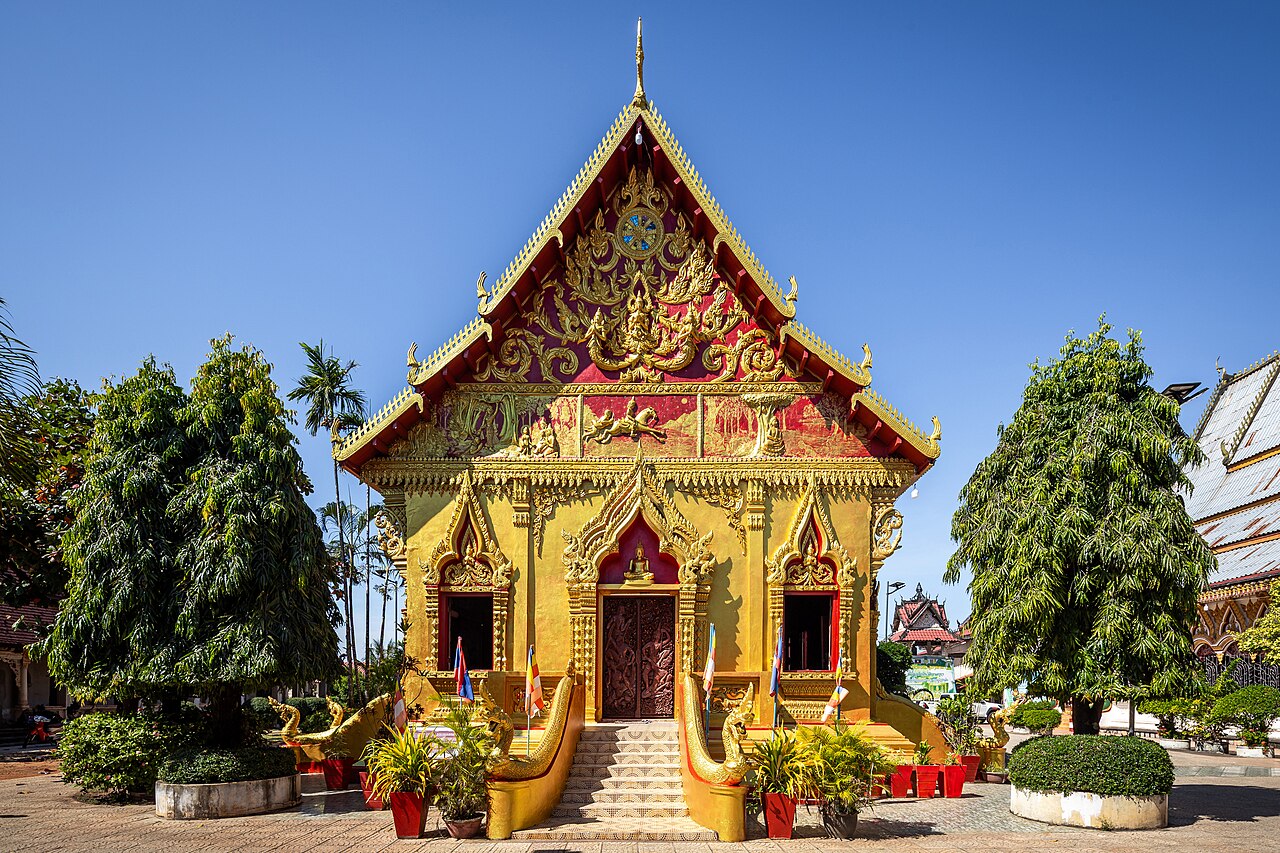
Pakse’s principal temple on the bank of the Sedone River, built in 1935 in traditional Lao style and home to a monastic school for novices.
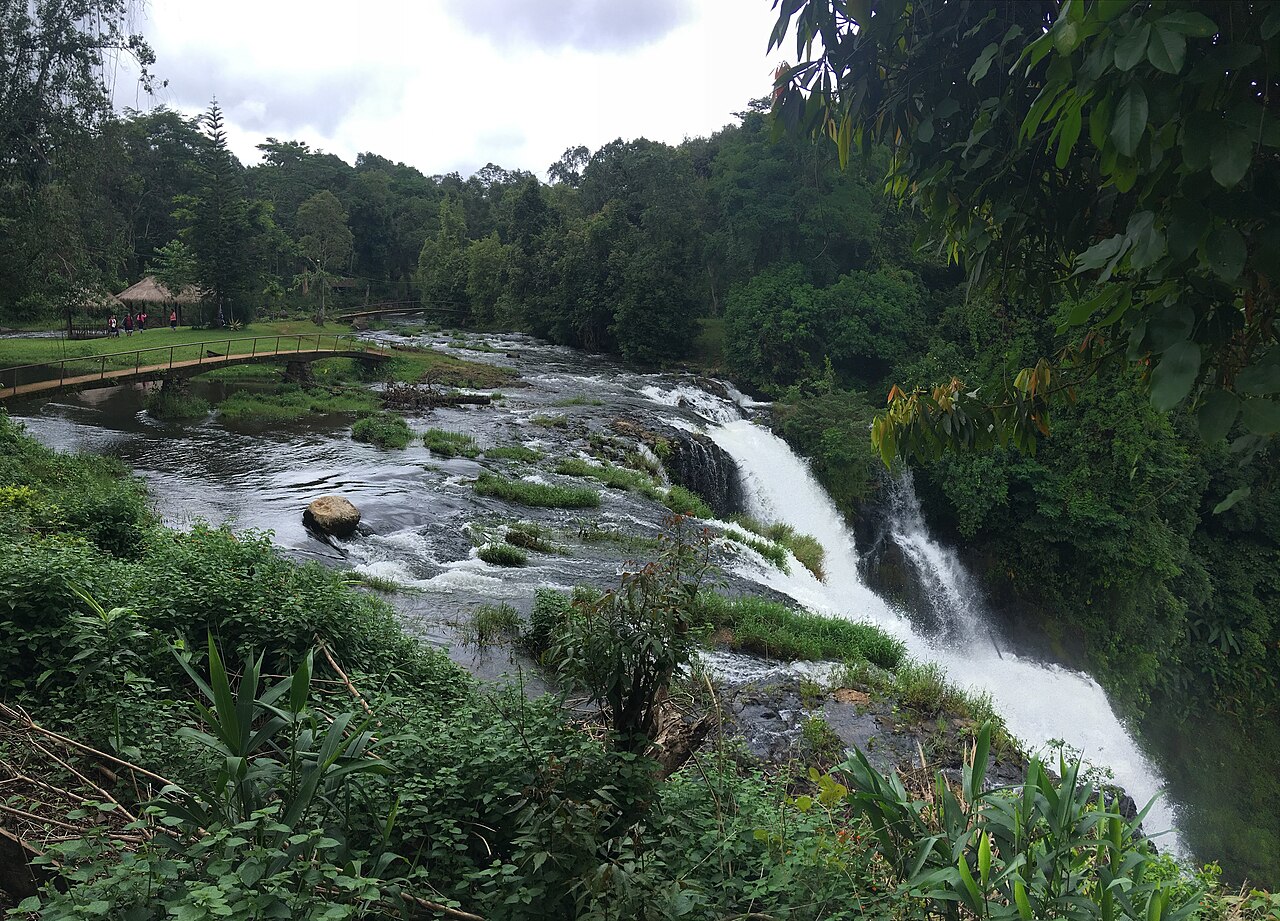
A 40-metre curtain of clear water falling into a swimmable pool, with a viewing bridge in front and local coffee stalls at the gate — near Km 40 on the Pakse–Paksong road.
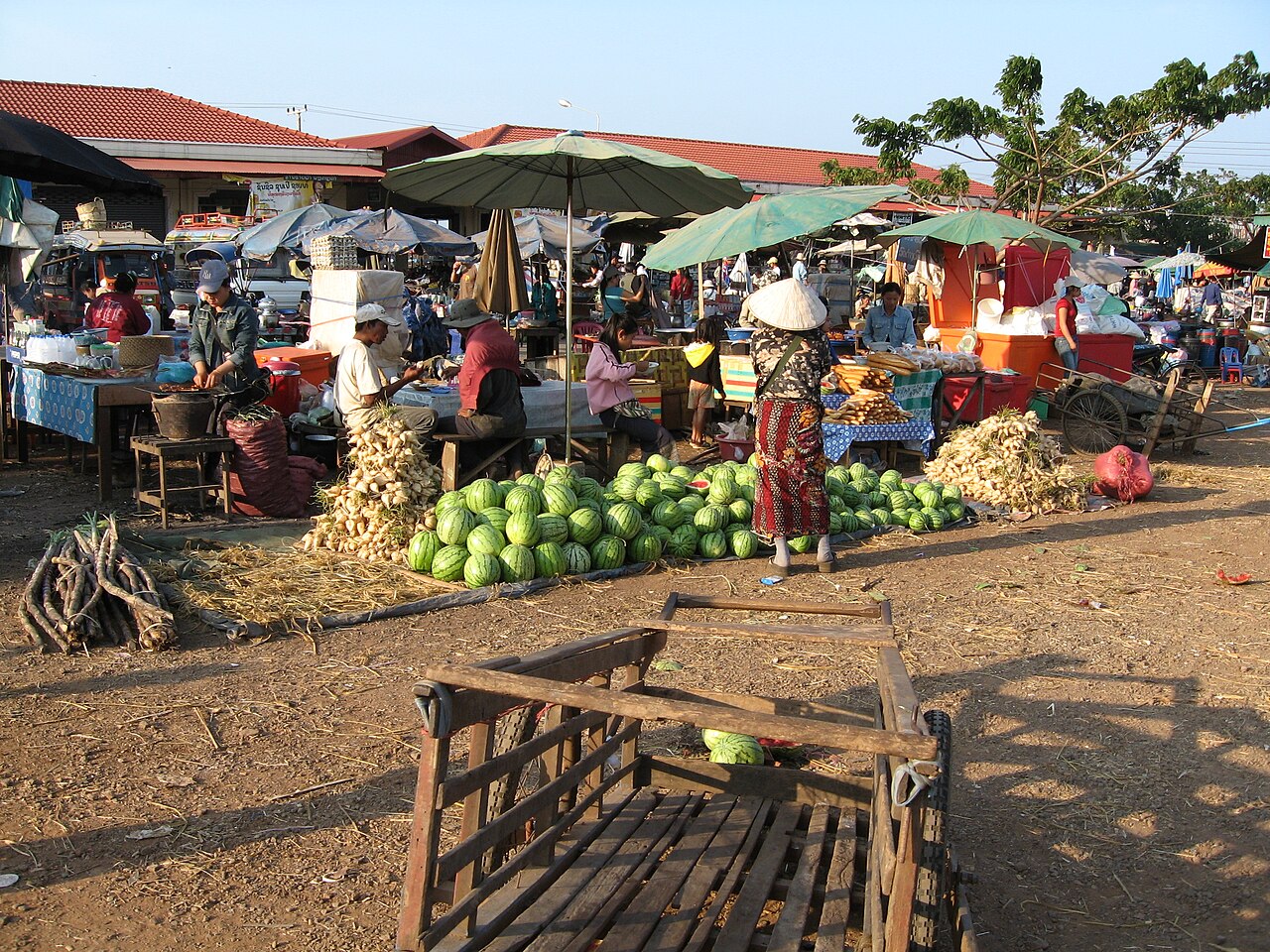
Pakse’s largest market, packed with local produce, sinh textiles, souvenirs, Bolaven coffee and street food — at its busiest early in the morning.
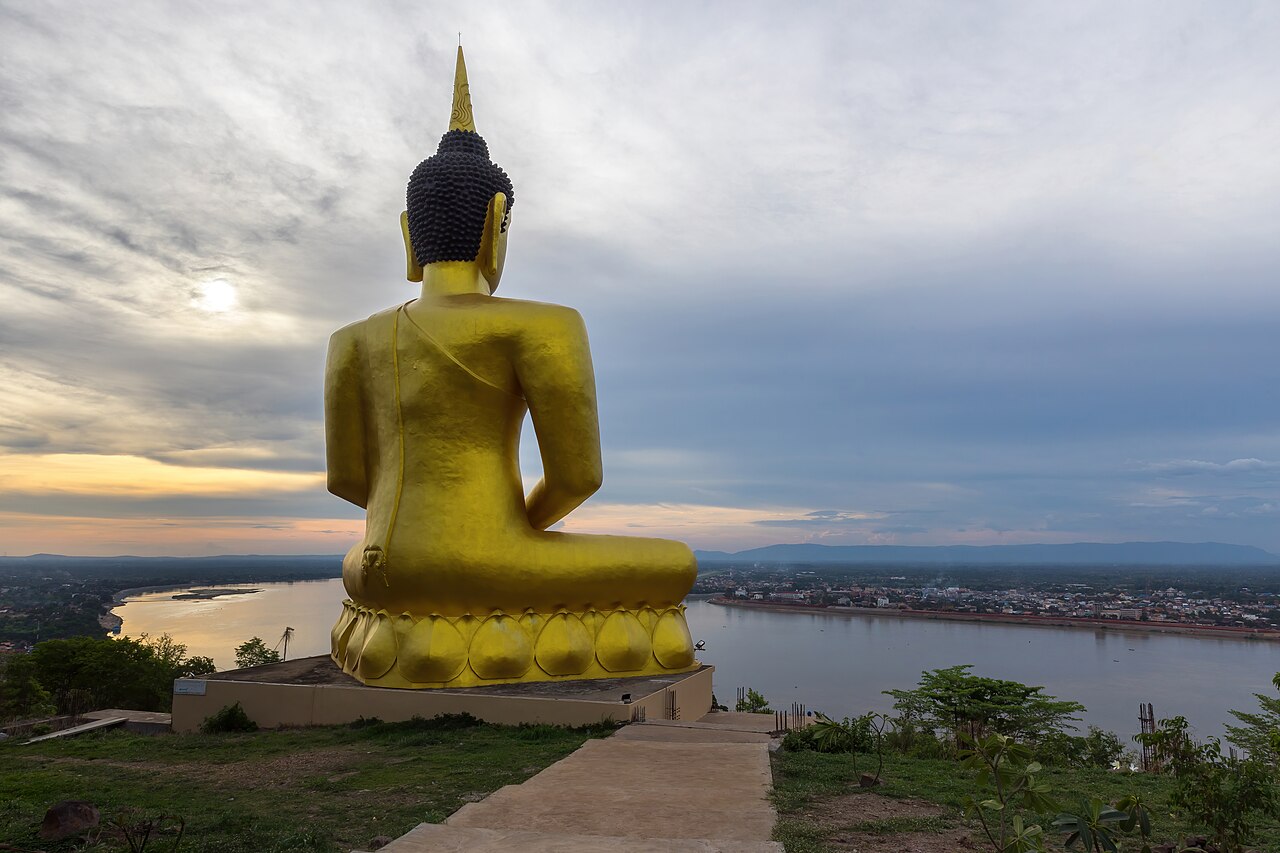
A hilltop temple on the west bank of the Mekong, crowned by a giant golden Buddha facing the river — the best viewpoint over Pakse and the Lao–Japanese Friendship Bridge, especially at sunset.
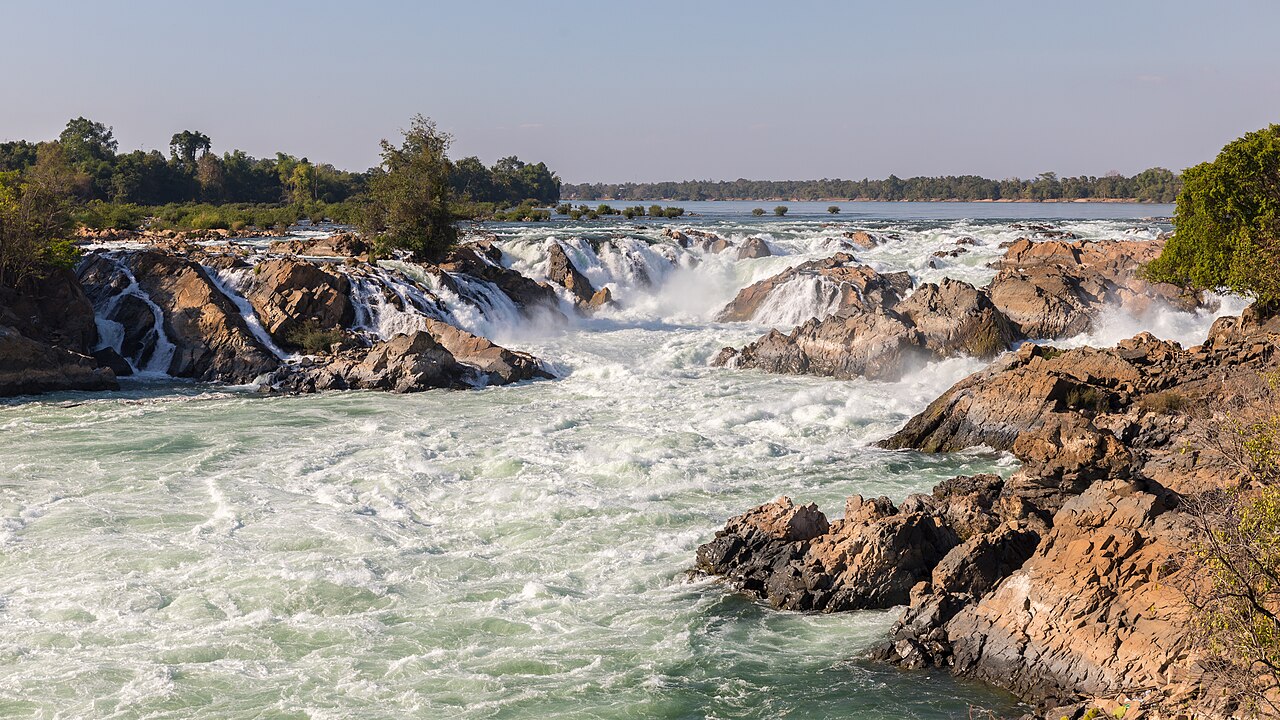
The largest waterfall in Southeast Asia by volume — the grand southern Mekong thundering through a maze of rocks near the Cambodian border, seen from a series of viewing platforms.
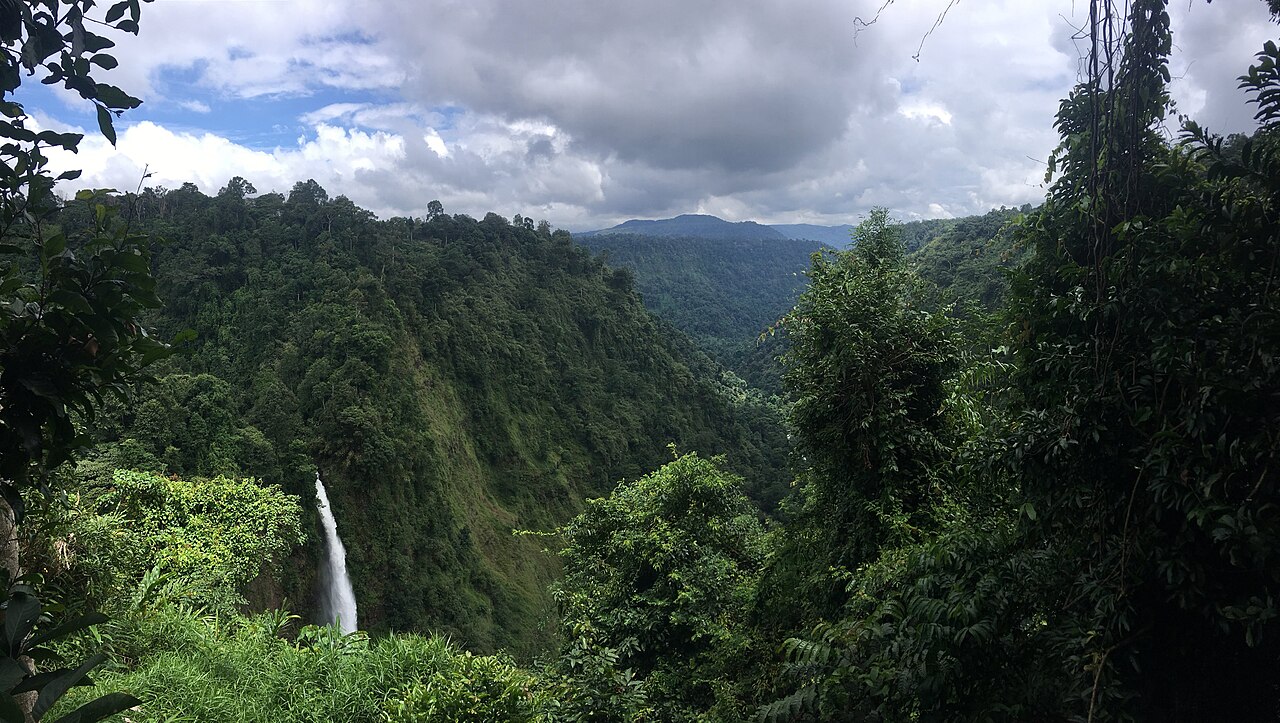
Twin streams plunging more than 120 m into a jungle gorge — the tallest falls in southern Laos — seen from the resort-side viewpoint or from a zipline across the gorge, about 38 km from Pakse.
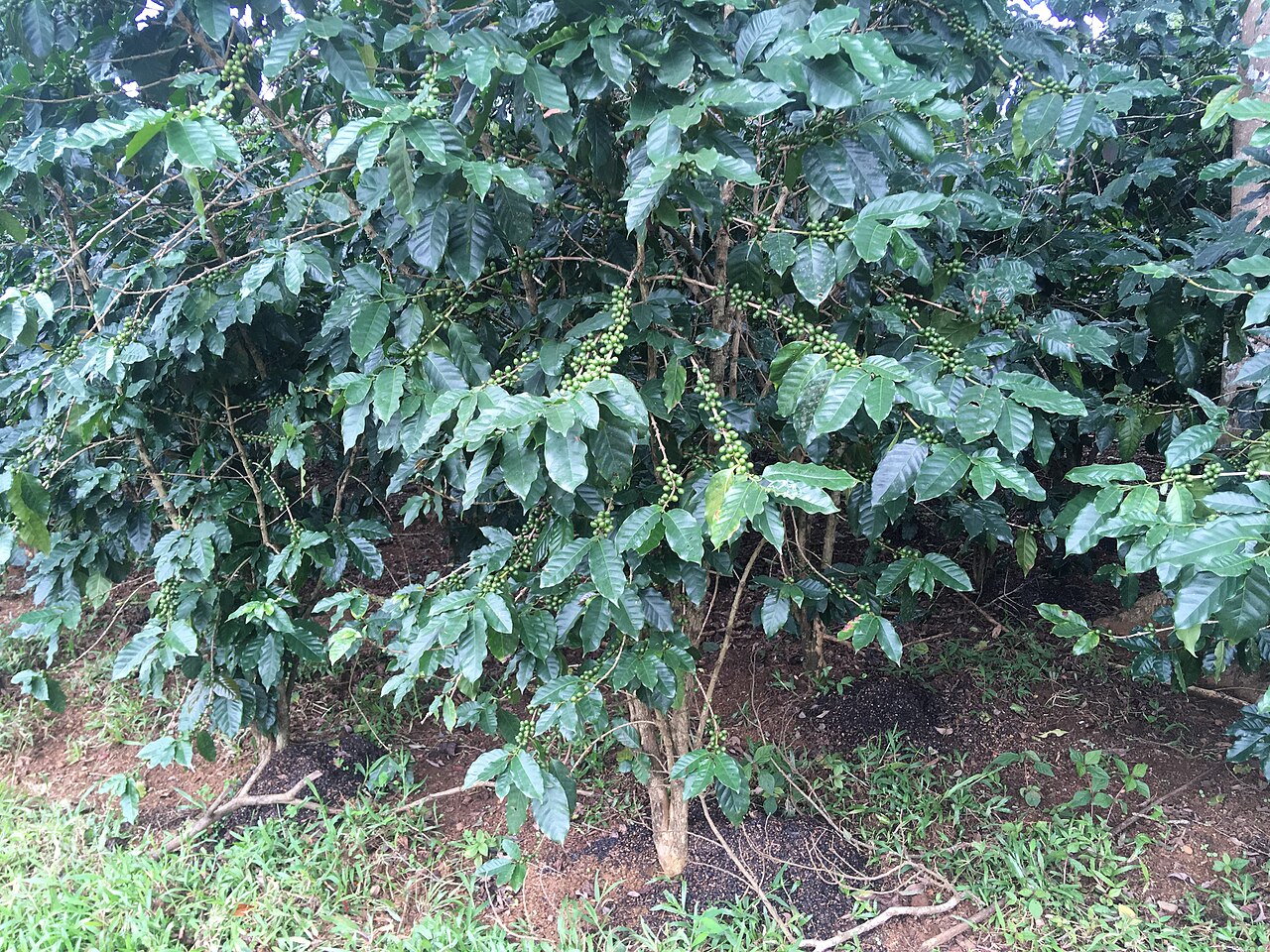
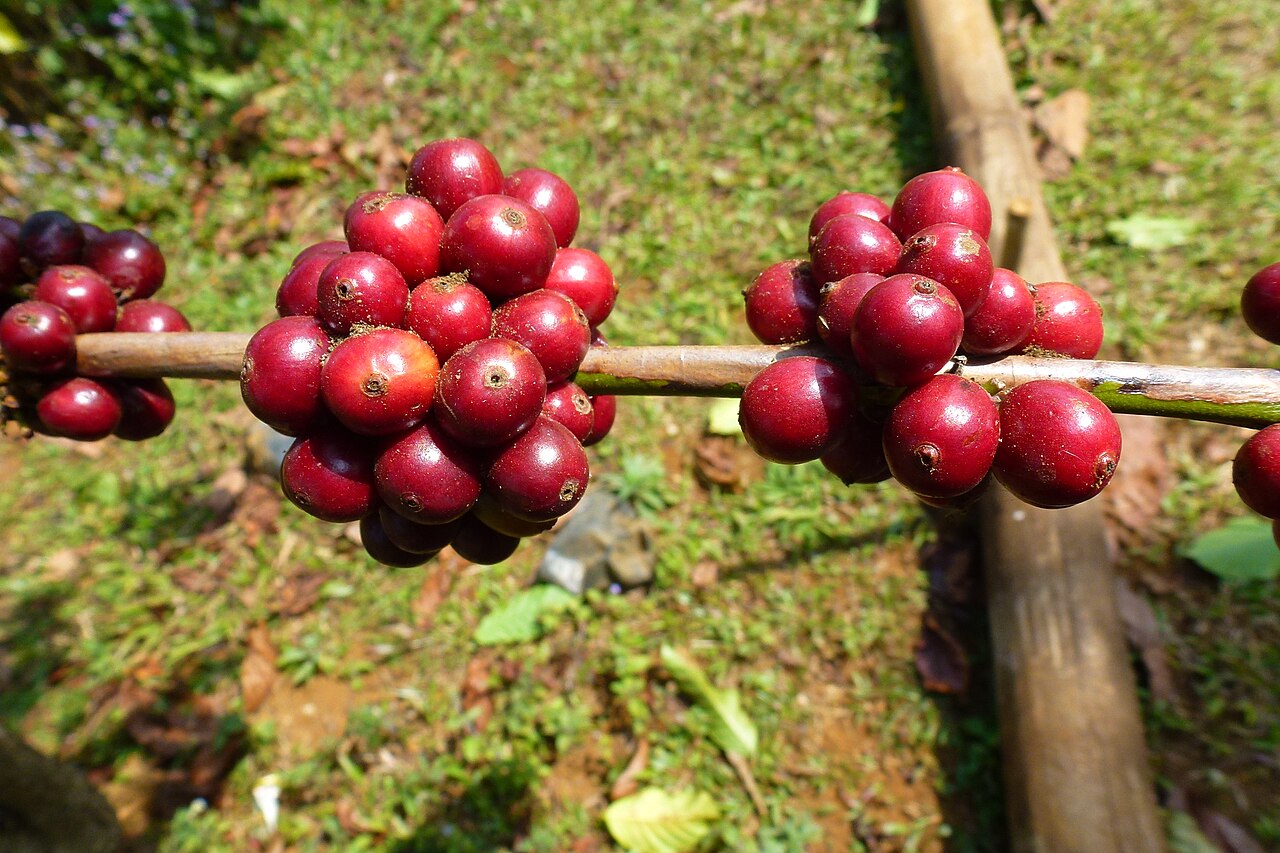
A cool volcanic plateau 1,000–1,300 m high — home of Laos’ best coffee, dozens of waterfalls, cafés in nature and ethnic-minority villages.
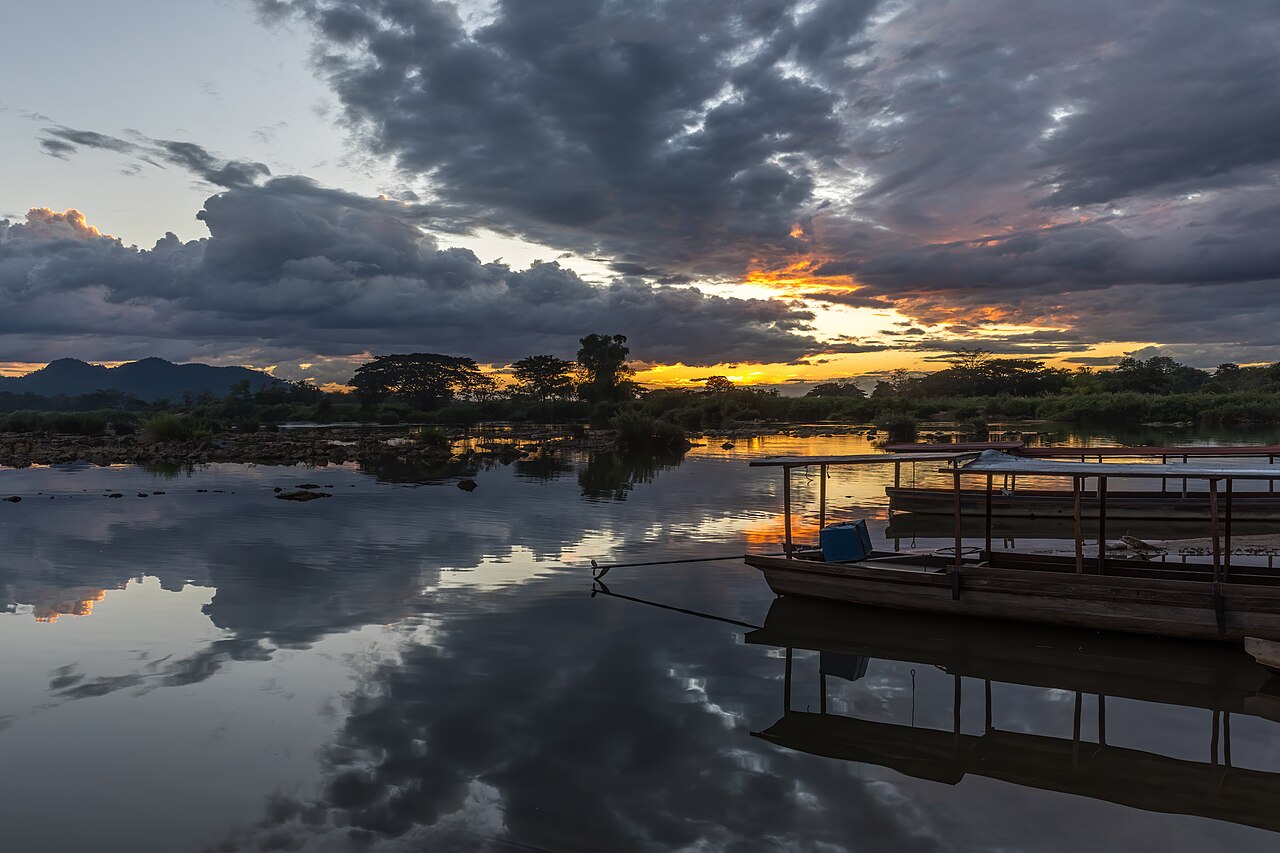
A scatter of islands where the Mekong is at its widest. Don Det is the laid-back favourite for hammocks, bike rides through rice fields and Mekong sunsets — 15 minutes by boat from Nakasang.
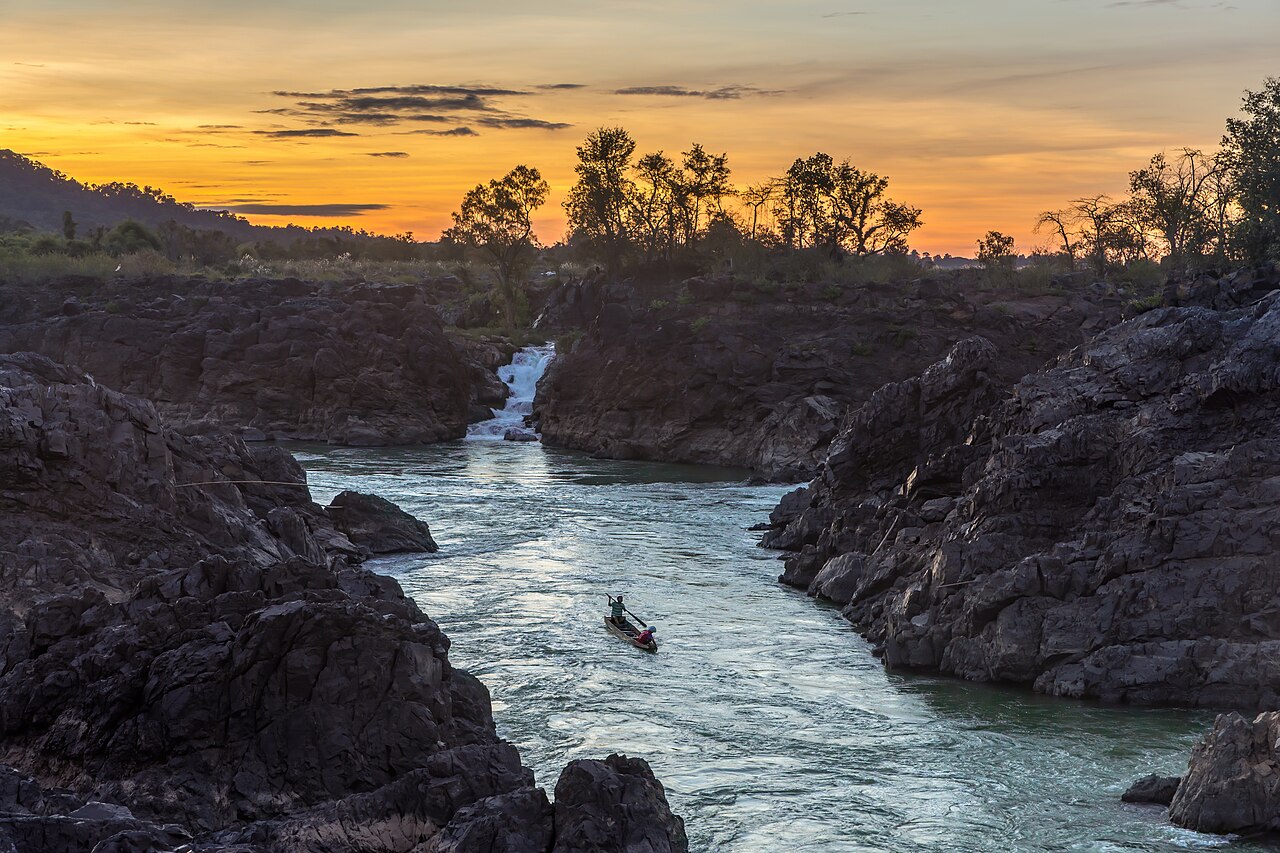
Wide, raging Mekong cascades on Don Khon whose name, “Li Phi”, comes from the belief that the rapids trap spirits; walkways and viewpoints line the falls — no swimming.