Temples & StupasMiễn phí
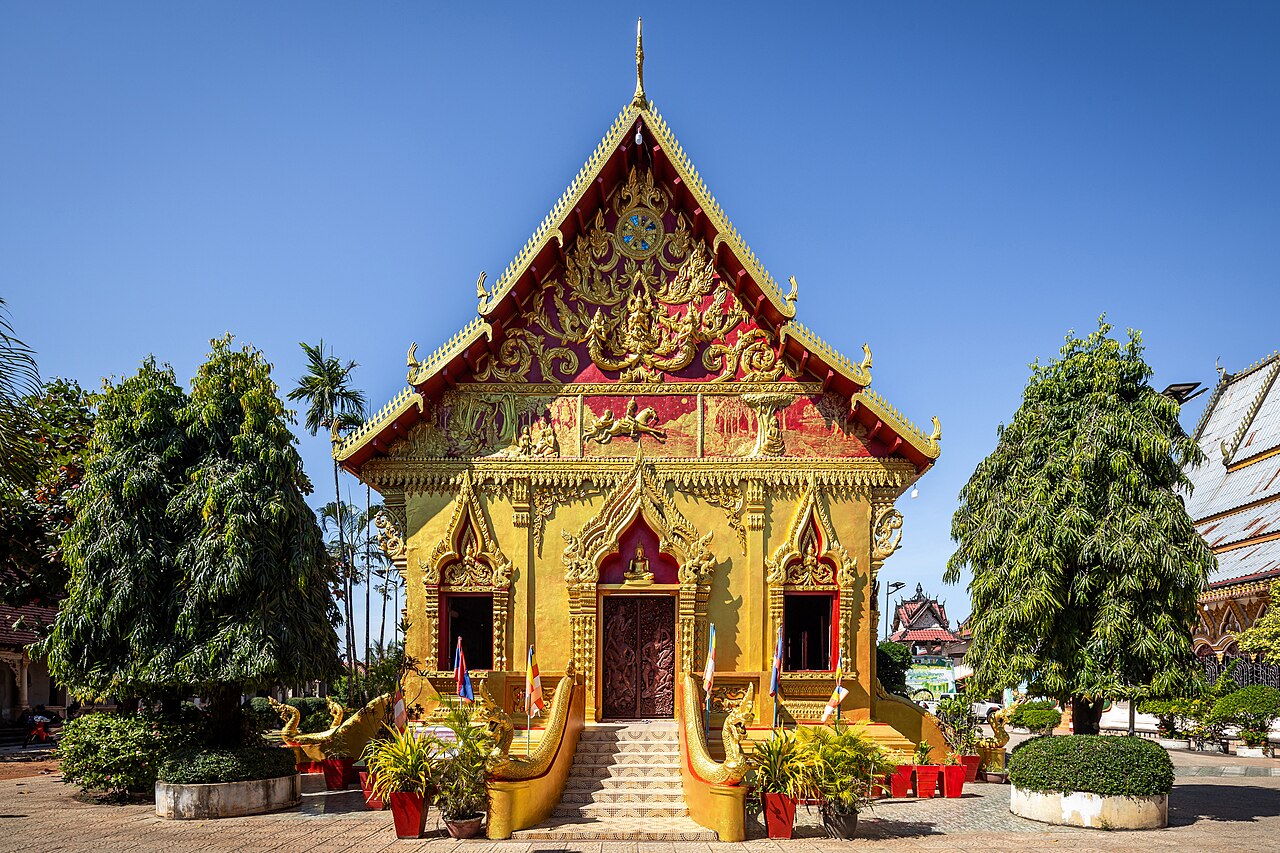
ວັດຫຼວງ ປາກເຊ
Pakse’s principal temple on the bank of the Sedone River, built in 1935 in traditional Lao style and home to a monastic school for novices.
Pakse · Pakse City45 phút
Những điều nên trải nghiệm tại Pakse
ສະຖານທີ່ທ່ອງທ່ຽວ
Đền chùa, thác nước hùng vĩ và chợ truyền thống, cùng khách sạn, quán cà phê và các dịch vụ tiện ích — mỗi địa điểm đều có hướng dẫn cách đến và chi phí đi lại minh bạch.
16 kết quả
Pakse’s principal temple on the bank of the Sedone River, built in 1935 in traditional Lao style and home to a monastic school for novices.
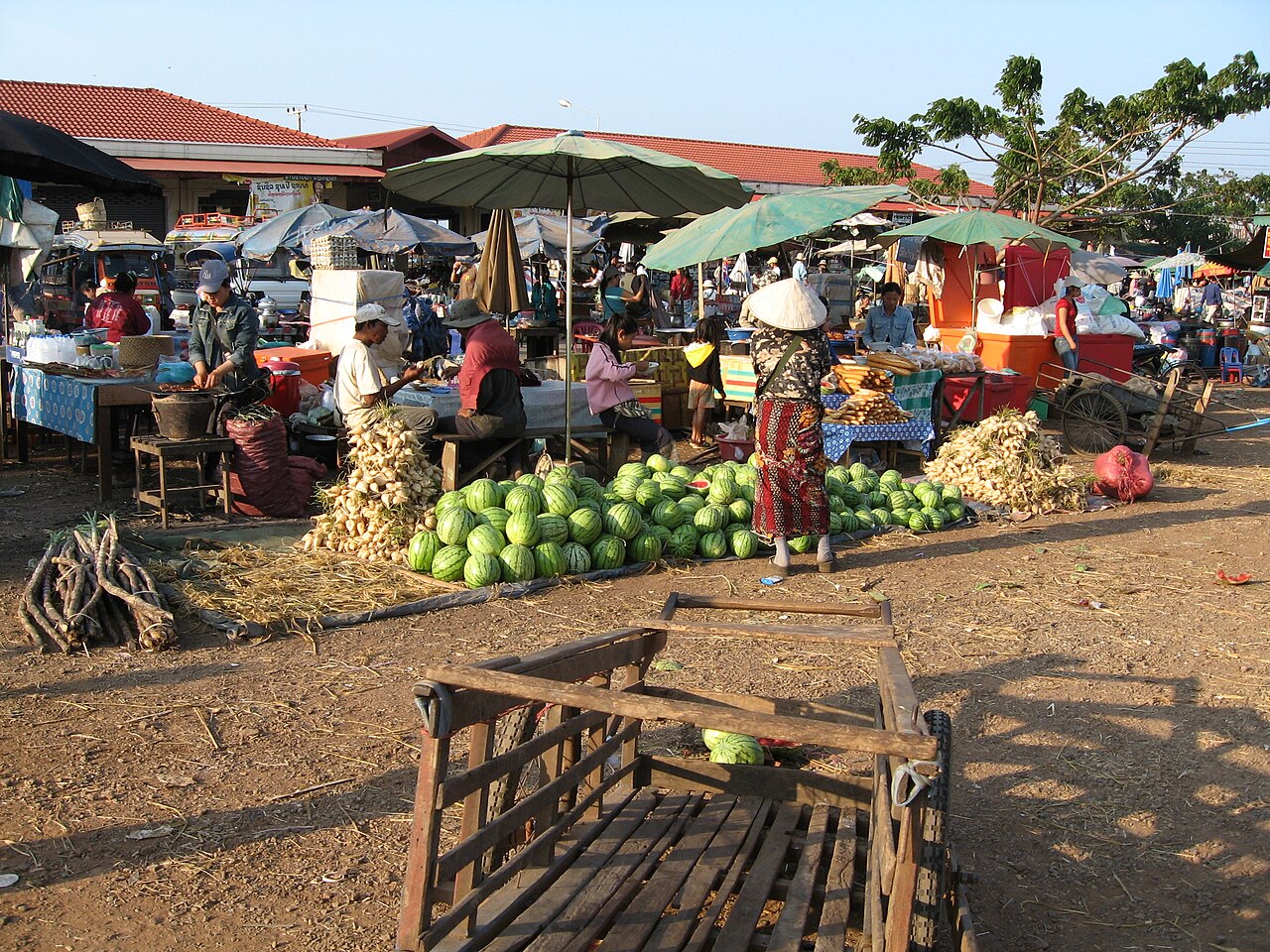
Pakse’s largest market, packed with local produce, sinh textiles, souvenirs, Bolaven coffee and street food — at its busiest early in the morning.
Evening food stalls on the Mekong bank — grills, laap, papaya salad and Beerlao as the sun sets behind Phou Salao.
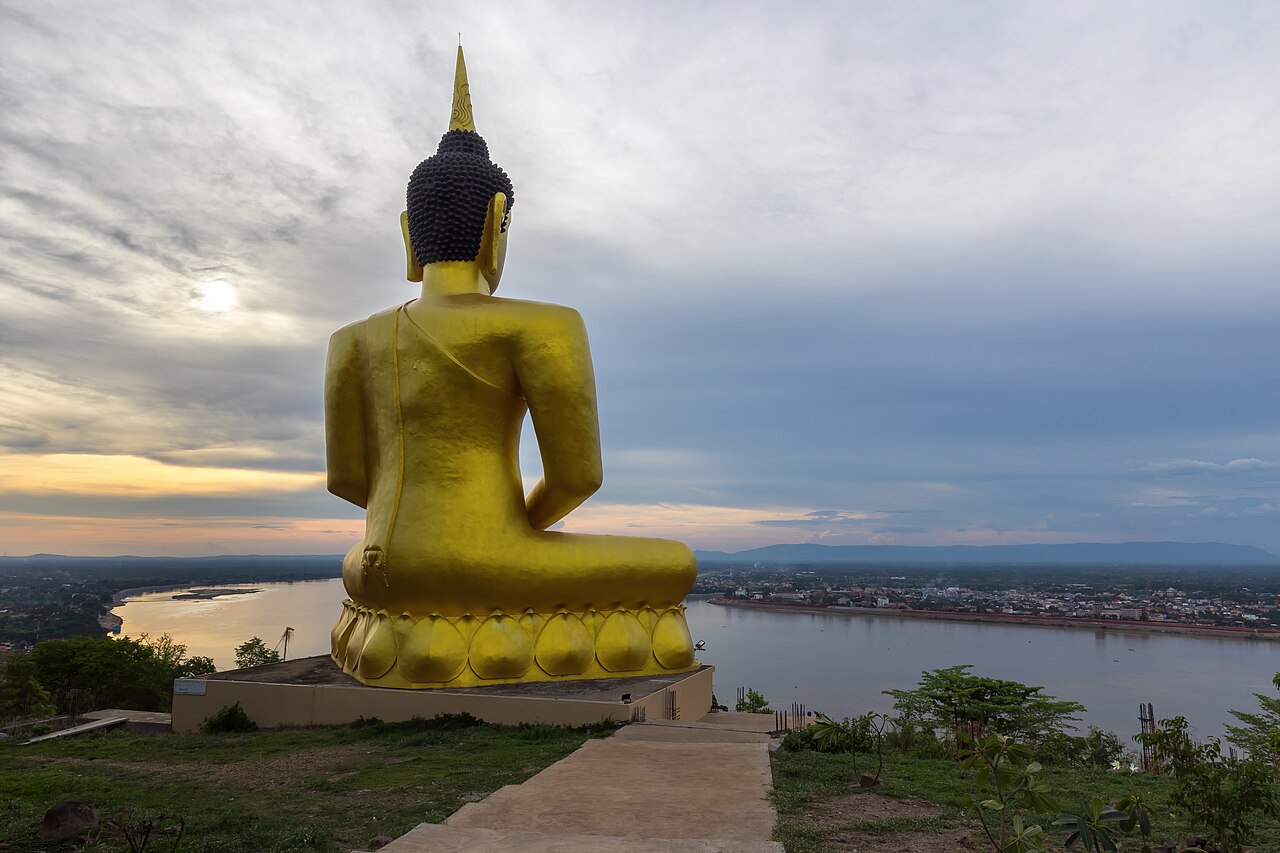
A hilltop temple on the west bank of the Mekong, crowned by a giant golden Buddha facing the river — the best viewpoint over Pakse and the Lao–Japanese Friendship Bridge, especially at sunset.
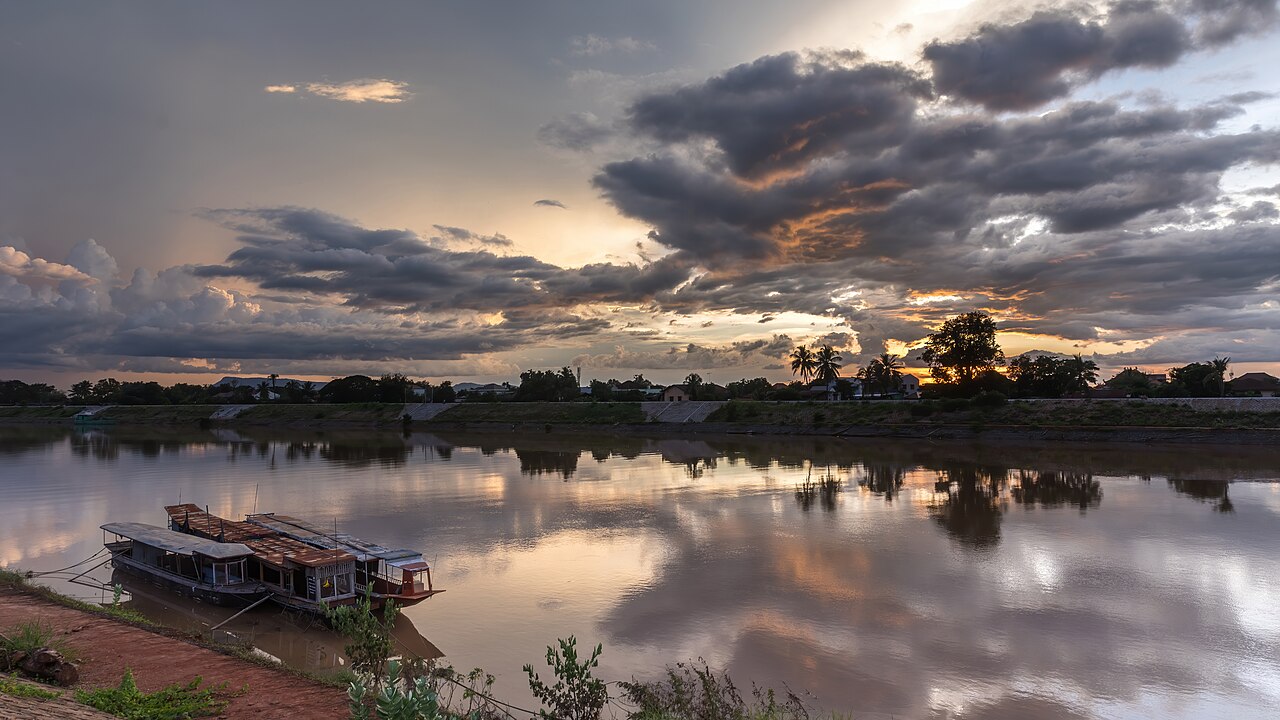
The Mekong promenade in central Pakse — ideal for an evening stroll, sunset views, street-food stalls and the meeting point of the Sedone and Mekong rivers.
A comfortable mid-range hotel in central Pakse — a handy base for Wat Phou and the Bolaven Plateau.
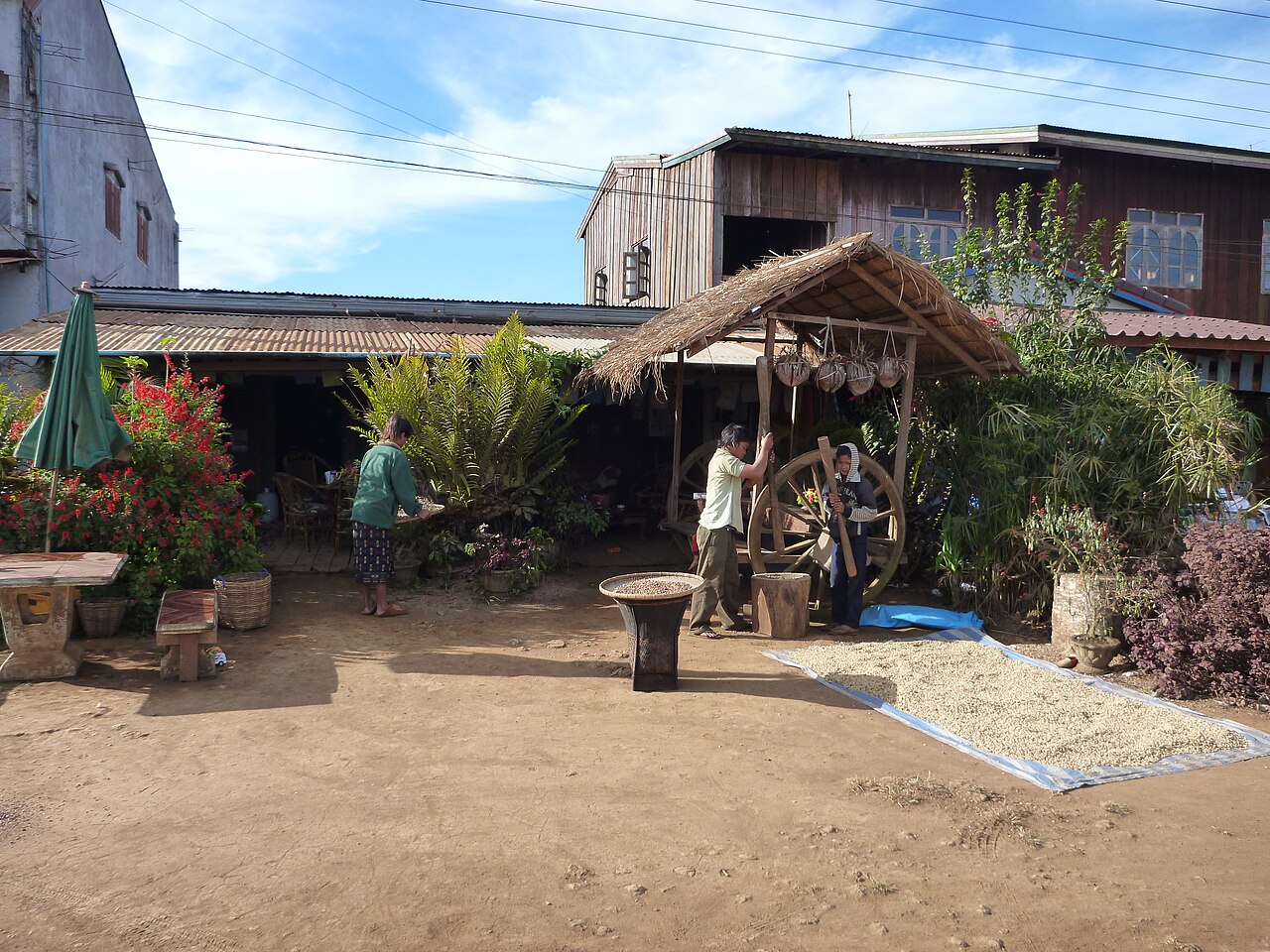
A Pakse cafe roasting beans from Paksong on the Bolaven Plateau, with bags of roasted coffee to take home.
The former palace of Prince Boun Oum na Champassak — a grand building mixing colonial and Lao styles, now a hotel where visitors can look around the lobby or stop for a drink.
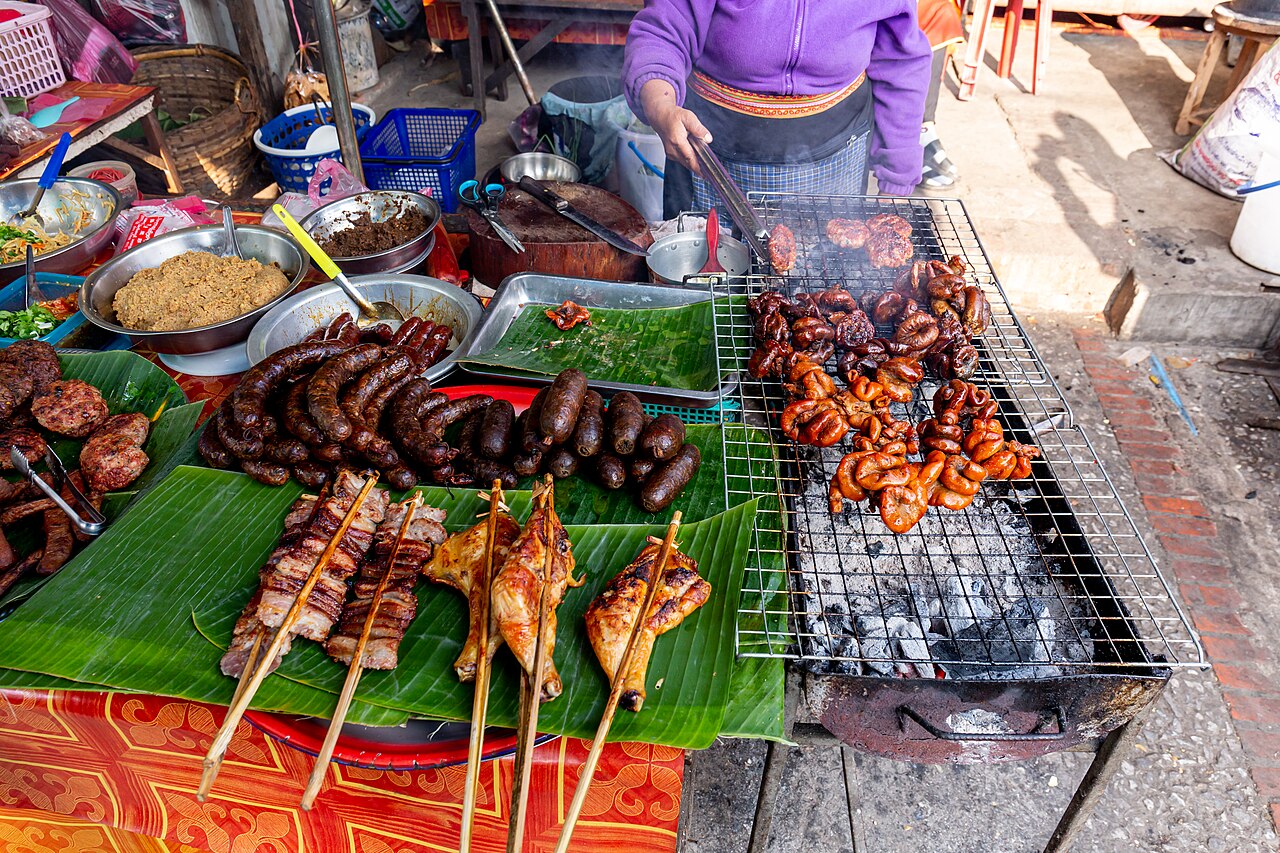
A popular spot for sindad — Lao tabletop barbecue-hotpot — plus laap, mok pa and papaya salad.
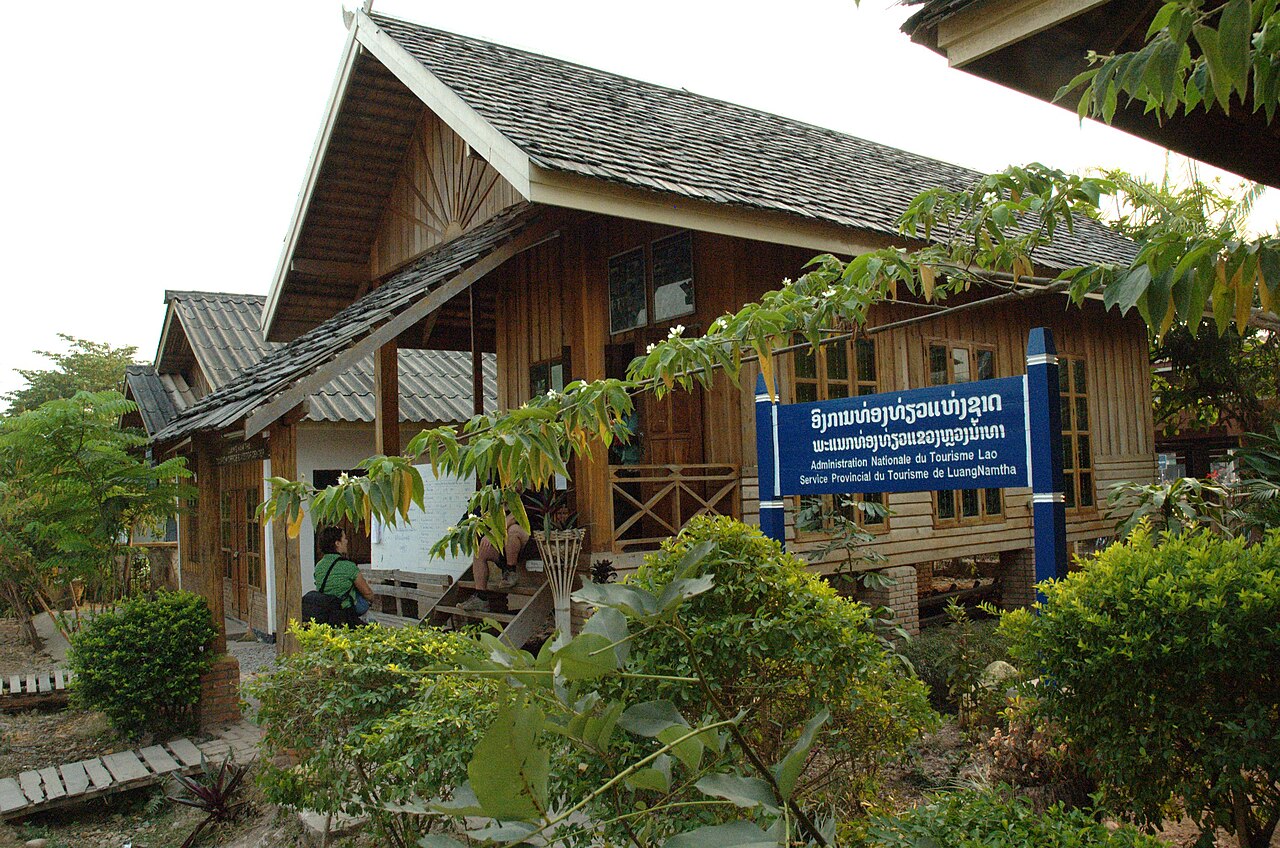
The Champasak provincial tourism office’s info desk with maps, bus timetables and community-based tour information.
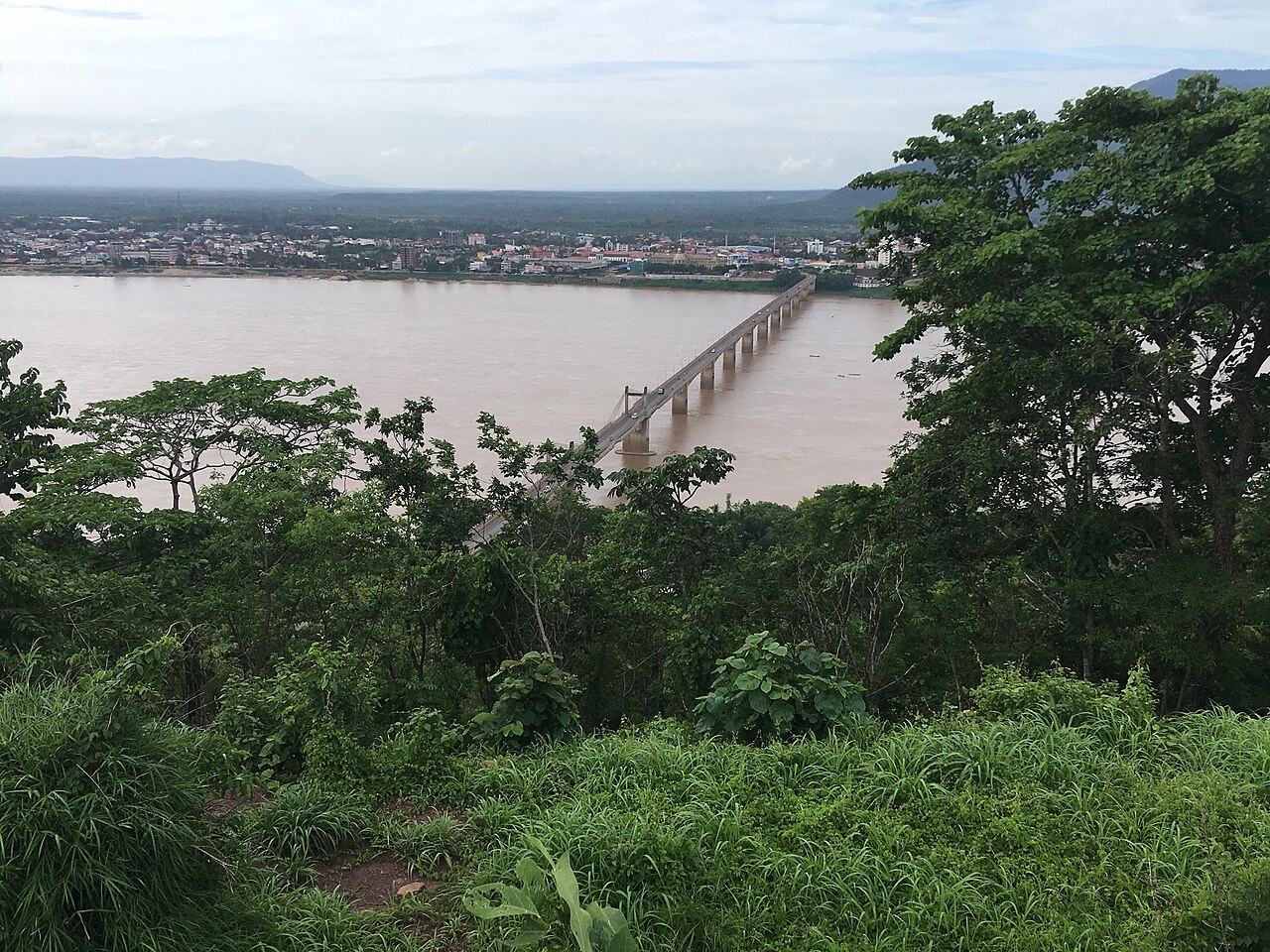
The roughly 1.4 km bridge over the Mekong, opened in 2000, links Pakse with the west bank and is a favourite spot for sunset photos and bike rides.
The town’s main post office for postcards, international parcels and stamps.